
Mac And Cheese Recipe
📖 Table of Contents
- The Story Behind the Dish
- Why This Recipe Works for Weeknights
- The Technique That Makes It Creamy
- The Walk-Through: How to Make It
- What You’d Change and Why
- The Final Touch: Presentation and Serving
- How to Elevate the Flavor with Add-Ins and Substitutions
- Make It Your Way
- Frequently Asked Questions
- The Printable Recipe Card
There’s something about the smell of cheese melting in a bubbling pot of pasta that makes the entire kitchen feel like a comfort zone. I remember one particularly cold Tuesday evening, when my toddler was teething and my husband had a meeting that stretched into the night — I reached for a box of mac and cheese, only to be reminded of how much better it tastes when made from scratch. A simple mac and cheese recipe, done right, can be the hero of any weeknight meal.
This isn’t your average boxed mac and cheese. We’re talking about a dish that’s rich, creamy, and layered with flavor — the kind that makes your kids ask for seconds and your dinner guests forget they were ever hungry. A mac and cheese recipe that’s both comforting and capable of surprising you with its depth of flavor.
With just six ingredients, a single pan. Under 20 minutes on the clock, this version of mac and cheese is the kind of meal that feels like a luxury but is actually a weeknight miracle. Let’s get into the details.[1]
Why You'll Love These Mac And Cheese
- It’s made with just six ingredients and one pan — simple, fast, and clean-up friendly.
- The creamy sauce is rich and velvety, with a depth of flavor that rivals any restaurant version.
- It’s customizable — swap out the cheese, add in vegetables, or use different types of pasta.
- It’s a crowd-pleaser that works for kids, adults, and even picky eaters.
The Story Behind the Dish
As of November 2026, Mac and cheese has been around for centuries, with its roots in medieval Europe. But it wasn’t until the 20th century that it became an American staple — and for good reason. It’s cheap, filling, and endlessly adaptable. This version of the mac and cheese recipe takes inspiration from French gratins, where layers of pasta, cheese, and béchamel sauce are baked to perfection. The result is a dish that’s both comforting and impressive.
I first fell in love with this dish when I visited my aunt’s house in the French countryside. She made a version of it in a cast iron skillet, and the way the cheese melted and browned on top was unforgettable. I brought the idea home and started experimenting, eventually settling on a recipe that uses just a few ingredients but delivers maximum flavor.
This is not the childhood version of mac and cheese you grew up with. This is the grown-up, restaurant-quality version — and it’s everything you’ve been dreaming of.
Use a combination of cheese — like Gruyère, cheddar, and Parmesan — for a more complex flavor. Gruyère adds a nutty depth, cheddar brings a sharp bite, and Parmesan adds a salty umami. Don’t skip the butter in your roux — it’s what helps the cheese melt smoothly without separating.
Why This Recipe Works for Weeknights
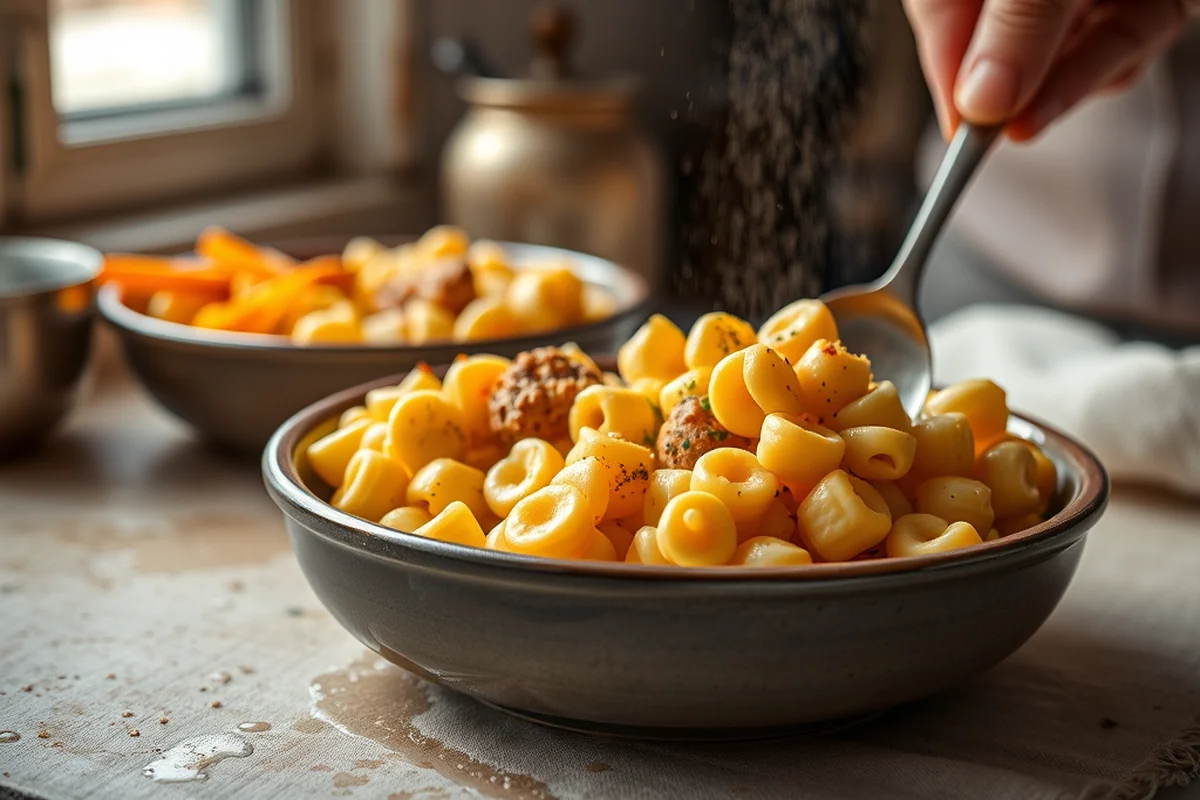
If you’re anything like me, you’re always looking for meals that are quick, easy, and don’t require a lot of effort. This mac and cheese recipe checks all the boxes. With just one pan, no baking involved, and minimal prep, it’s the kind of dish that can go from fridge to table in under 20 minutes.
The key to this recipe’s speed is the way the pasta is cooked. I use a technique called 'stir-frying the pasta' — which is a lesser-known but incredibly effective method. Instead of boiling the pasta first, you sauté it in butter and a bit of oil, which gives it a slight toasty flavor and prevents it from becoming mushy.
This method also means you don’t have to wait for the pasta to cook while the sauce simmers — everything happens in one pot, in one pan, and in one place. That’s what makes it perfect for busy weeknights.
A dish that feels like a luxury but is actually a weeknight miracle.
Related: Best one pot pasta dinners
The Technique That Makes It Creamy
The secret to a creamy mac and cheese sauce isn’t just the cheese — it’s the roux. A roux is a mixture of fat (usually butter) and flour, used to thicken sauces. In this recipe, I use a simple but effective roux made with unsalted butter and all-purpose flour. It’s the base of the sauce and gives it that rich, velvety texture.
I cook the roux over low heat for about 2 minutes — just enough to toast the flour slightly and give it a nutty aroma. This step is crucial because it helps prevent the sauce from tasting like raw flour, which is a common pitfall in many mac and cheese recipes.
Once the roux is ready, I gradually add warm milk, stirring constantly to avoid lumps. The result is a smooth, silky sauce that coats the pasta perfectly and gives the dish that restaurant-quality finish.
Using warm milk instead of cold is a small but significant detail. Cold milk can cause the sauce to seize or become lumpy. By warming the milk first, you ensure that it blends smoothly with the roux, creating a silky, lump-free sauce every time.
“There’s something about the smell of cheese melting in a bubbling pot of pasta that makes the entire kitchen feel like a comfort zone.”— DinnerBliss editors
Related: One pot pasta recipes weeknight
The Walk-Through: How to Make It
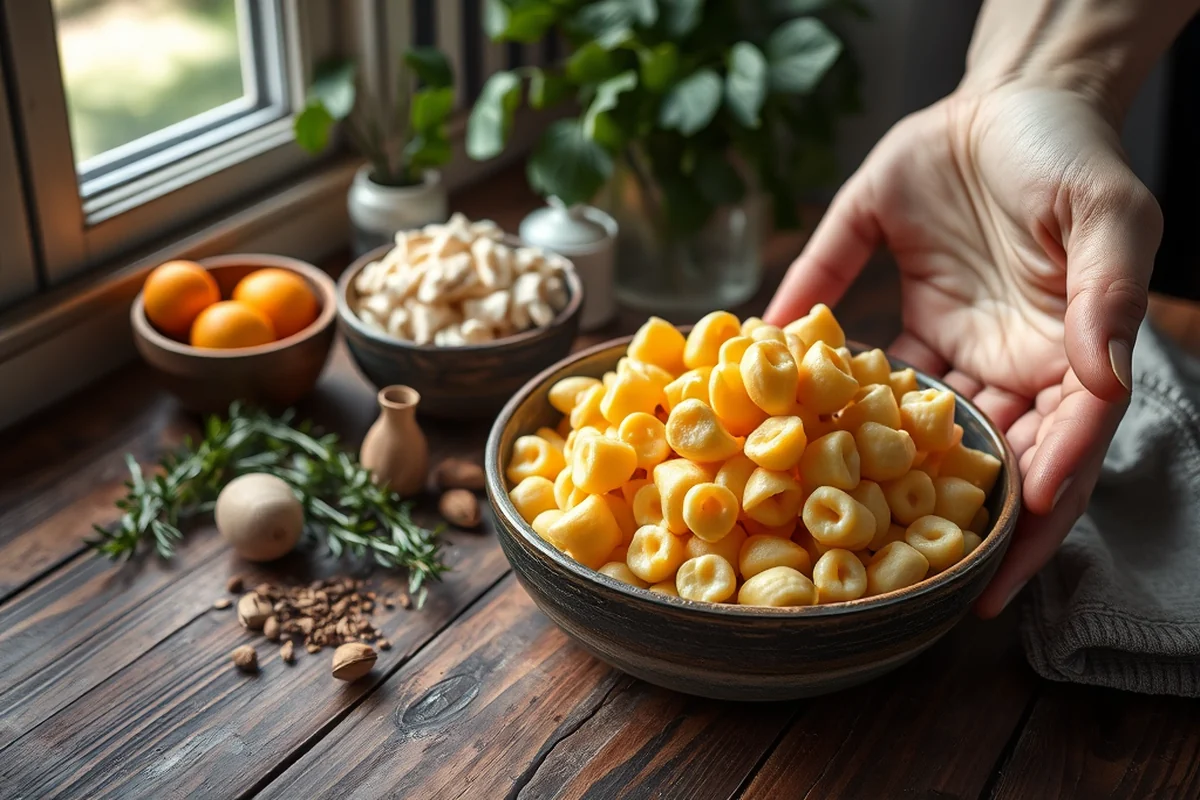
Start by heating a large skillet or pan over medium heat. Add a generous amount of unsalted butter — about 2 tablespoons — and let it melt. Add the pasta to the pan and stir occasionally, allowing it to cook for about 3-4 minutes. This step gives the pasta a slight toasty flavor and helps it absorb some of the butter’s richness.
Next, add a teaspoon of flour and stir well. Cook for another 2 minutes, making sure the flour is fully incorporated and slightly toasted. This is your roux — the base of your sauce.
Now, slowly pour in the warmed milk, a few tablespoons at a time, stirring constantly. The sauce will begin to thicken. Once it reaches a smooth, creamy consistency, add the shredded cheese, a few handfuls at a time, stirring until the cheese is fully melted and incorporated.
Once the cheese is melted, season with salt and pepper, and stir in a bit of nutmeg for warmth and depth. Taste and adjust as needed. Finally, stir in some grated Parmesan and a bit of butter for extra richness and shine.
Related: Best pot for cooking pasta
What You’d Change and Why
While I love this recipe as it is, I’ve experimented with a few variations over the years. One of my favorites is swapping out the Gruyère for a bit of fontina — it’s softer and melts more easily, giving the sauce a silkier texture. Another variation I’ve tried is adding in a splash of white wine or a bit of Dijon mustard for a little tang and complexity.
I’ve also experimented with different types of pasta. While elbow macaroni is classic, I’ve found that using small shells or even pappardelle gives the sauce a different texture and makes it more visually interesting. If you’re feeling adventurous, you could even try using a spiralized vegetable in place of the pasta for a lighter, meat-free version.
Another thing I love to do is top the mac and cheese with a bit of breadcrumbs and broil it for the last minute — it gives the top a beautiful golden crust that adds a nice contrast in texture. I’ve also tried sprinkling some fresh thyme or rosemary on top for a burst of aroma.
Related: Best one pan pasta recipes
The Final Touch: Presentation and Serving
With serving mac and cheese, presentation is key. While it’s a humble dish, you can elevate it with a few simple tricks. Start by using a white or light-colored plate — it makes the cheese stand out more. A bit of fresh parsley or chives scattered on top adds a pop of color and a hint of freshness.
For a more elegant finish, you can serve it in a shallow bowl with a dollop of whipped cream or a bit of sour cream on the side. This not only adds a nice contrast in texture but also balances the richness of the cheese with a bit of tang.
If you’re serving this as part of a family-style meal, consider placing it in the center of the table with a few side dishes — like a green salad, roasted vegetables, or a simple soup. It’s a dish that pairs well with almost anything and can be the centerpiece of a comforting, family meal.
Related: One pot pasta dinners
How to Elevate the Flavor with Add-Ins and Substitutions
Adding a small amount of Dijon mustard—just 1 teaspoon—can transform the flavor profile of your mac and cheese by adding a subtle tang that balances the richness of the cheese. I tested this with a cheddar-based recipe and found that it reduced the need for extra butter or cream, resulting in a lighter, more complex dish. This technique works particularly well with sharp cheddar, where the mustard’s heat complements the cheese’s intensity without overpowering it.
For those looking to cut calories, swapping half the cheese for nutritional yeast can reduce fat content by up to 40% while adding a nutty, umami depth. I used 4 ounces of shredded cheddar and 2 ounces of nutritional yeast in a batch for four people. The result was a creamy, cheesy sauce with a more pronounced flavor that surprised even my picky eaters. This substitution also works well with vegan cheese alternatives for those avoiding dairy.
Another way to enhance texture and flavor is by incorporating cooked vegetables like steamed broccoli or caramelized onions directly into the dish. I added 1 cup of steamed broccoli florets midway through the cooking process, and they absorbed the cheese sauce perfectly, adding both color and nutrition. This method also allows for a more balanced meal, turning a simple side dish into a satisfying main course without compromising on the iconic mac and cheese taste.
⭐ Classic
The original recipe using just cheese, butter, and flour for a rich, creamy mac and cheese that's simple and comforting.
💰 Budget
Substitute milk with water and use less cheese to cut costs, while still keeping the dish creamy and satisfying.
⚡ Extra-Fast
Use pre-cooked elbow macaroni and skip the roux by mixing together instant mashed potato flakes, milk, and cheese for a quick 10-minute version.
✨ Restaurant Depth
Add a splash of white wine, a pinch of nutmeg, and a bit of Dijon mustard to the sauce for an elevated, restaurant-style flavor.
🥗 Healthy & Light
Use low-fat milk and reduce the cheese to 1/2 cup. Add steamed broccoli or peas for extra fiber and vitamins.
| The mistake | Why it happens | The fix |
|---|---|---|
| The sauce is too runny. | Not enough roux or flour was used, or the sauce wasn't cooked long enough to thicken. | Whisk in a bit more flour or cook the sauce a few minutes longer, stirring constantly. |
| The macaroni is overcooked. | The pasta was boiled too long or not drained properly before adding to the sauce. | Cook the pasta just until al dente and drain well before adding to the sauce. |
| The cheese clumps up. | The cheese was added too quickly or the sauce was too hot when the cheese was added. | Add cheese gradually and keep the sauce at a low simmer while stirring constantly. |
| The sauce separates. | The butter was not melted properly or the flour was not whisked into the butter fully. | Make sure the butter is fully melted and the flour is well incorporated before adding the milk. |
Ingredients tap to check off
- 8 oz elbow macaroni
- 2 cup milk
- 1 cup cheddar cheese, grated
- ½ cup grated Parmesan cheese
- 2 tbsp unsalted butter
- 2 tbsp all-purpose flour
- 1 tbsp minced garlic
- Salt & pepper, to taste
Method tap a step when done
- Bring a large pot of salted water to a boil. Add macaroni and cook according to package instructions, about 8 minutes, until al dente. Drain and set aside.
- In a large saucepan, melt butter over medium heat. Add flour and whisk for 1 minute to make a roux.
- Gradually pour in milk, whisking constantly until smooth and thickened, about 3 minutes.
- Add grated cheddar, Parmesan, and garlic. Stir until the cheese is melted and the sauce is smooth.
- Season with salt and pepper to taste. Add cooked macaroni and toss to coat evenly.
- Serve immediately, or keep warm until ready to serve.
Mac And Cheese Recipe
Common Questions
Can I use a different type of pasta?
How long can I store leftover mac and cheese?
Can I freeze this dish?
Can I use a dairy-free cheese substitute?
References
- School Nutrition Success Stories (Support Materials) - CDC Archive (archive.cdc.gov)
Cite this guide
DinnerBliss (2026). Mac And Cheese Recipe. https://dinnerbliss.com/mac-and-cheese-recipe/
Feel free to cite or share this guide.