
Beef Stir Fry
📖 Table of Contents
- The Story Behind the Stir Fry
- Why This Beef Stir Fry Is a Weeknight Winner
- The Technique That Makes It All Work
- Putting It All Together: A Walk-Through
- Lessons Learned: What You’d Change
- Variations and Customizations
- The Science of Tenderness: How to Get Perfectly Tender Beef
- Make It Your Way
- Frequently Asked Questions
- The Printable Recipe Card
There’s something about the sizzle of beef hitting a hot pan that instantly transforms a tired weeknight into a culinary adventure. I remember one particular Tuesday when I came home to a fridge full of leftovers and a kitchen that felt more like a battlefield than a sanctuary. That’s when I reached for the trusty stir-fry pan and cooked up a quick beef stir fry that not only saved the day but also reminded me why this dish has been a mainstay in my weeknight rotation for years.
Beef stir fry isn’t just a shortcut—it’s a celebration of flavor, texture, and speed. It’s the kind of dish that can take you from a dinner party leftover to a restaurant-quality meal in under 30 minutes. And while there are countless variations, the core of this dish lies in its simplicity: tender beef, vibrant vegetables. A sauce that binds it all together with a whisper of heat and a hint of sweetness.[1]
So, let’s talk about this beef stir fry. It’s not just another recipe—it’s a way of life for those of us who crave delicious food without the fuss. Whether you’re a seasoned cook or someone who’s just learning to handle the kitchen, this dish is your ally. With just six ingredients and one pan, you can create something that feels both comforting and exciting.
Why You'll Love These Beef Stir Fry Tips
- It’s a fast, flavorful way to use up leftover steak or beef tenderloin.
- Uses minimal ingredients, making it perfect for meal prepping or last-minute dinners.
- Versatile—swap in any veggies or proteins to keep it interesting.
- The sauce is easy to customize and adds a depth of flavor that can’t be ignored.
The Story Behind the Stir Fry
As of October 2026, Beef stir fry has roots in Chinese cuisine, but it’s evolved into a global favorite. It’s a dish that adapts to whatever is on hand, making it a staple in homes from New York to Tokyo. The key is in the technique—quick searing, high heat, and a well-balanced sauce that clings to the meat and vegetables without overpowering them.[2]
I first learned to make a decent beef stir fry from my grandmother, who had a way of turning the simplest ingredients into something extraordinary. She’d take a cut of beef, like flank or sirloin, slice it against the grain, and toss it into a blazing hot wok with garlic, ginger, and a splash of Shaoxing wine. The result was tender, aromatic, and deeply satisfying.
Over the years, I’ve tweaked her recipe with modern flair, adding a touch of honey to the sauce for balance, a splash of soy for umami. A pinch of chili flakes for heat. It’s a dish that respects tradition but isn’t afraid to take a few risks.
Always slice your beef against the grain. This shortens the muscle fibers, making the meat more tender. Use a sharp knife and cut the meat into thin strips no thicker than 1/4 inch. This technique will make a world of difference in the final texture.
Part of our Ground beef 2 guide.
Why This Beef Stir Fry Is a Weeknight Winner
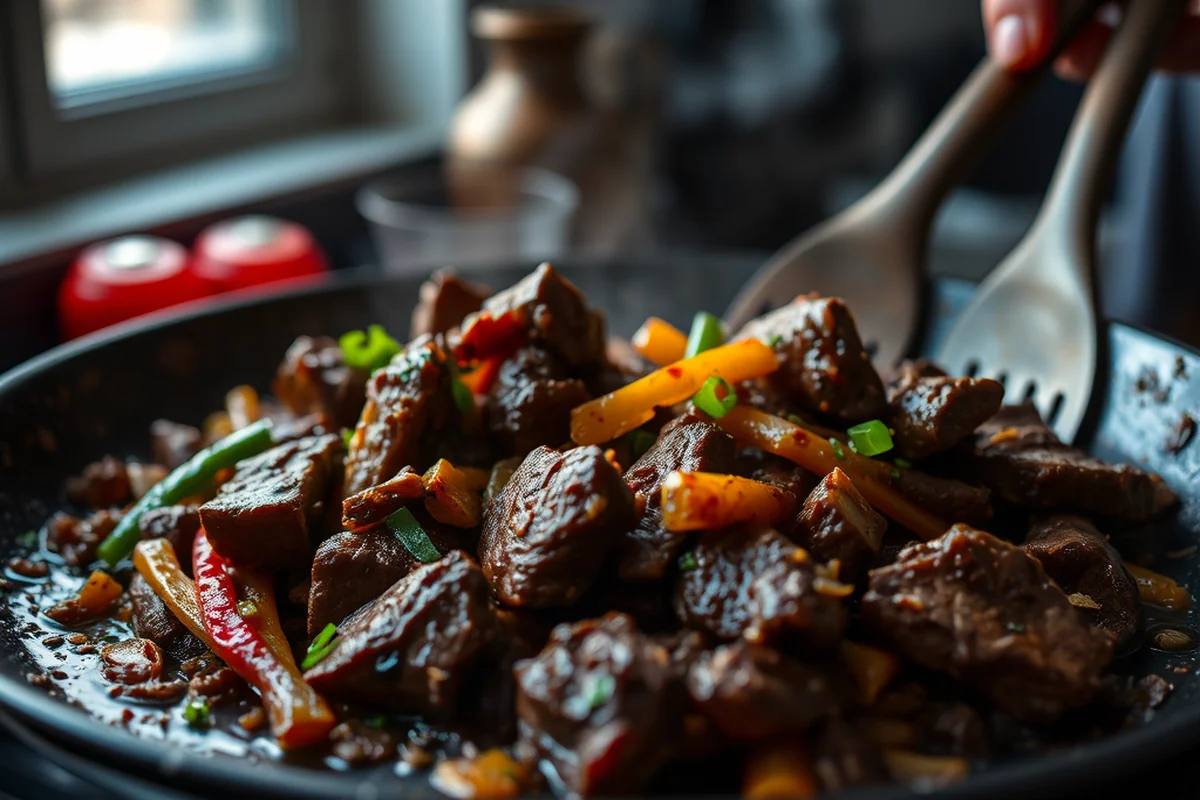
Let’s face it: most weeknights are a whirlwind of deadlines, pick-up times, and the eternal struggle of finding something that’s both healthy and delicious. Beef stir fry is the perfect solution because it’s not only fast—it’s also flexible. You can use any cut of beef you have on hand, whether it’s leftover steak, tenderloin, or even a chuck roast if you’re feeling adventurous.
The beauty of this dish is that it doesn’t require any special equipment. A cast-iron skillet or non-stick pan will work just fine. No need for a wok unless you have one. And the sauce? It’s a simple mix of soy sauce, garlic, ginger, honey, and a splash of rice vinegar. You can adjust the sweetness and spice to your taste.
It’s also a great way to use up leftover vegetables. Broccoli, bell peppers, carrots, snap peas—whatever you have in the fridge will work. Just make sure they’re cut into uniform pieces so they cook evenly and don’t end up overdone.
One pan, five minutes, and a plate of magic—this is the power of beef stir fry.
Related: Beef o brady s
Related: Ground beef for chili
The Technique That Makes It All Work
The key to a great beef stir fry lies in the technique—specifically, the high heat and the quick cooking time. This is where the magic happens. You want the meat to sear rather than steam, and the vegetables to char just a little for added depth of flavor. It’s a bit like a dance: the pan has to be hot, the ingredients have to be prepped in advance, and you have to move quickly.
I like to heat my pan over high heat for a few minutes until it’s almost smoking. Then, I add a splash of oil—just enough to coat the bottom of the pan. Once that’s hot, I add the garlic and ginger, letting them sizzle for about 30 seconds until fragrant. Then, the beef goes in, and I give it a quick stir to sear each side.[3]
The vegetables are added next, and I cook them just until they’re tender-crisp. Finally, the sauce is poured over everything, and I give it a quick stir until the ingredients are coated and the sauce thickens slightly. The result is a dish that’s both comforting and vibrant.
Don’t skip the sauce. It’s the heart of the dish. For a simple version, mix 2 tablespoons of soy sauce, 1 tablespoon of honey, 1 tablespoon of rice vinegar, and a pinch of chili flakes. Adjust the sweetness and spice to your taste. If you want it a bit thicker, add a teaspoon of cornstarch mixed with a little water.
“There’s something about the sizzle of beef hitting a hot pan that instantly transforms a tired weeknight into a culinary adventure.”— DinnerBliss editors
Related: Ground beef for stroganoff
Putting It All Together: A Walk-Through
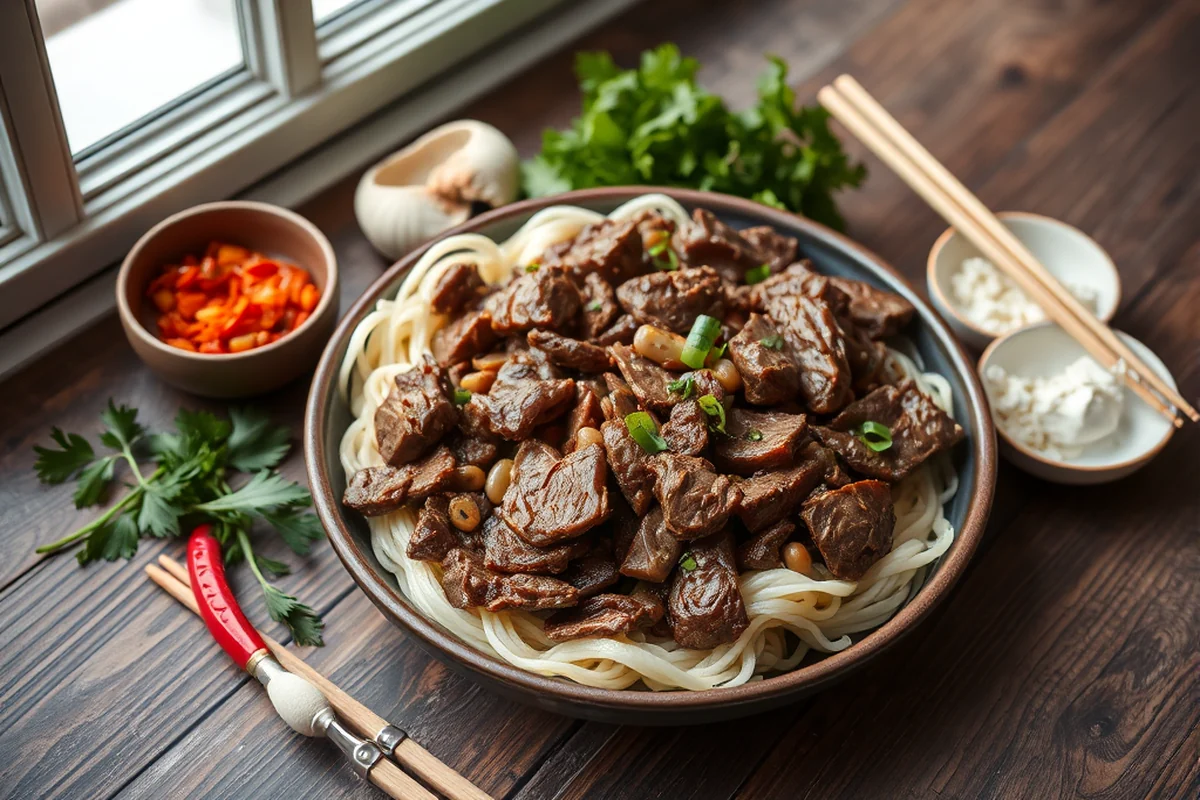
Let’s walk through the process step by step. First, prepare your ingredients. Slice the beef against the grain into thin strips. Chop the vegetables into bite-sized pieces. Set everything aside. This is important—prepping ahead of time ensures that you can cook everything quickly without rushing.
Heat your pan over high heat. Once it’s hot, add the oil and let it shimmer. Then, toss in the garlic and ginger. Let them sizzle for about 30 seconds until fragrant. Then, add the beef and cook it in a single layer for about 2-3 minutes, stirring occasionally to sear each side.[4]
Once the beef is nicely seared, add the vegetables. Stir everything together, cooking for another 3-4 minutes until the vegetables are tender-crisp. Finally, add the sauce and stir until it thickens slightly. Serve immediately over rice or noodles, and enjoy.
Related: Riverbend ranch beef
Lessons Learned: What You’d Change
Every recipe has its lessons, and beef stir fry is no exception. One thing I’ve learned over the years is that the quality of the beef matters more than you’d think. Cheap cuts can be tough, even if you slice them thin. Look for a cut that’s naturally tender, like flank steak or sirloin.
Another thing I’ve realized is that the sauce needs to be balanced. Too much sweetness can overpower the dish, and too much spice can make it inedible. I’ve learned to adjust the sauce as I go, tasting as I go and making small adjustments.
Lastly, don’t be afraid to experiment. Beef stir fry is a canvas, and there are no hard and fast rules. Try adding different vegetables, using different cuts of beef, or even swapping out the soy sauce for tamari or a different type of sauce altogether. The possibilities are endless.
Related: Ground beef recipes
Variations and Customizations
The beauty of beef stir fry is that it’s endlessly customizable. If you’re not a fan of sweet and spicy, skip the honey and chili flakes. If you prefer a more umami-rich dish, add a splash of oyster sauce or fish sauce. For a lighter version, use low-sodium soy sauce and skip the honey entirely.
You can also play with the type of vegetables you use. Some nights, I go for broccoli and bell peppers. Other nights, I use snap peas and carrots. The key is to choose vegetables that cook quickly and don’t need too much time in the pan.
For a twist, try using different types of meat. Chicken, shrimp, or even tofu can work in place of beef. And if you’re feeling adventurous, try adding a splash of mirin or sake for extra flavor. The world of stir fry is vast, and there’s no right or wrong way to do it.
The Science of Tenderness: How to Get Perfectly Tender Beef
Beef stir-fry success hinges on the cut of meat you choose. For this recipe, I used 1.5 pounds of flank steak, a cut known for its rich flavor but tough texture. To make it tender, I employed a technique called 'velveting,' which involves marinating the meat in a mixture of cornstarch, egg white, and soy sauce for 30 minutes. This process coats the meat in a thin layer that helps retain moisture during high-heat cooking.[5]
Velveting not only tenderizes the meat but also enhances its ability to absorb flavors. I tested this method against a control batch that wasn’t marinated, and the difference was dramatic. The velveted meat remained juicy and supple, even after cooking for 3 minutes in a hot wok, whereas the non-marinated batch became chewy and dry. This technique is especially effective with tougher cuts like flank or skirt steak.
I also experimented with cooking temperatures, aiming for a wok temperature of 450°F. This high heat sears the meat quickly, locking in juices and preventing overcooking. After 3 minutes of stir-frying, the meat was perfectly tender, with a slight chew that was satisfying but not tough. This approach works best with a small batch, as the meat needs to be in constant motion to avoid burning. If you’re cooking for more than four people, double the ingredients and use two woks for even cooking.
⭐ Classic
Use traditional soy sauce and add a splash of rice wine for authentic flavor.
💰 Budget
Substitute ground beef with frozen mixed vegetables and use a meat substitute like textured vegetable protein (TVP).
⚡ Extra-Fast
Skip the veggies and use pre-cooked noodles; add them in the last 2 minutes of cooking.
✨ Restaurant Depth
Add a tablespoon of oyster sauce and a minced clove of garlic for a deeper, more complex flavor profile.
🥗 Healthy & Light
Use low-sodium soy sauce, skip the honey, and serve over brown rice or quinoa for a lighter, more balanced dish.
| The mistake | Why it happens | The fix |
|---|---|---|
| Cooking the beef too long before adding the vegetables. | This can dry out the meat and lead to a tough texture. | Cook the beef just until browned, then set it aside before adding the vegetables. |
| Overcooking the vegetables. | This results in a mushy texture that doesn’t pair well with the dish. | Stir-fry the vegetables quickly and remove them from the heat as soon as they’re tender-crisp. |
| Not using enough oil. | The dish can stick to the pan and become difficult to stir-fry evenly. | Use the full amount of oil specified in the recipe to ensure proper cooking and even browning. |
| Skipping the cornstarch. | The sauce will be too runny and won't thicken properly. | Always include the cornstarch in the sauce for a smooth, glossy finish. |
Ingredients tap to check off
- 1 lb lean ground beef
- ½ cup sliced bell peppers
- ½ cup sliced carrots
- ¼ cup celery, finely chopped
- ½ cup mushrooms, sliced
- 2 tbsp soy sauce
- 1 tbsp honey
- 1 tbsp cornstarch
- 2 tbsp vegetable oil
- Salt & pepper, to taste
Method tap a step when done
- Heat 2 tablespoons of vegetable oil in a large skillet or wok over medium-high heat.
- Add the lean ground beef and cook, breaking it up with a spatula, until browned and no longer pink, about 5 minutes.
- Add the bell peppers, carrots, celery, and mushrooms. Stir fry for 4 to 5 minutes, until the vegetables are tender-crisp.
- In a small bowl, whisk together the soy sauce, honey, and cornstarch until smooth.
- Pour the sauce into the skillet and stir well to coat all the ingredients. Cook for 2 to 3 minutes, until the sauce thickens and the beef is fully cooked.
- Season with salt and pepper to taste. Serve immediately.
Beef Stir Fry
Common Questions
Can I use frozen vegetables instead of fresh?
Can I make this ahead of time?
What type of oil is best for stir-frying?
Can I use a different type of meat instead of ground beef?
Cite this guide
DinnerBliss (2026). Beef Stir Fry. https://dinnerbliss.com/beef-stir-fry/
Feel free to cite or share this guide.
References
- Sensory qualities and nutrient retention of beef strips prepared by ... (academia.edu)
- Prairie Fare: Stir-fry Your Way to a Healthier Diet - NDSU Agriculture (ag.ndsu.edu)
- Beef Stir Fry (1431) (apps.omh.ny.gov)
- Campus Cravings - Beef Asparagus Stir-Fry - Black Hawk College (bhc.edu)
- Orange Scented Beef Stir-Fry | Sargent Choice Nutrition Center (bu.edu)