
Meal Delivery Service Comparison
📖 Table of Contents
- The Story Behind the Search: Why Meal Delivery Services Matter
- What Makes a Meal Delivery Service Fast and Efficient
- The Technique Behind the Best Meal Delivery Services
- A Step-by-Step Walk-Through of Using a Meal Delivery Service
- Lessons Learned: What You Should Know Before Choosing a Service
- The Hidden Cost of Convenience: Understanding Subscription Models and Hidden Fees
- The Environmental Impact of Meal Delivery Services: What You Should Know
- Make It Your Way
- Frequently Asked Questions
- The Printable Recipe Card
It was 6:30 PM on a Tuesday, and I was staring into the fridge like a lost soul. The fridge had a few lonely eggs, a half-bottle of olive oil, and a loaf of bread that was definitely past its prime. I had promised my partner a dinner that didn’t involve takeout, and I was nowhere close to delivering. I did what any self-respecting home cook would do: I did a quick search for 'meal delivery service comparison' and was immediately overwhelmed by the options. From chef-curated boxes to budget-friendly meals, the choices were dizzying.
I’ve cooked for a living, and I’ve never been the kind of person who relies on convenience. But this weeknight moment was a wake-up call. I needed something that would deliver a delicious, well-balanced meal with minimal effort — something that didn’t require a grocery store trip, a trip to the kitchen, or hours of chopping and simmering. That’s when I realized that meal delivery services weren’t just for people who lacked cooking skills — they were for people like me, who wanted to cook better, eat better. Have more time.
After a week of trial and error — comparing prices, meal variety, delivery speed, and even the quality of packaging — I found a few services that stood out in a crowded field. This meal delivery service comparison wasn’t just about finding the best option; it was about finding the right one for my lifestyle. And as I sat down to my first delivered meal, I realized that I might have found the perfect solution for my weeknight cooking woes.
Why You'll Love These Meal Delivery Services
- No more grocery shopping — everything you need is delivered to your door.
- Chef-designed meals that are both healthy and delicious.
- Flexible plans that fit your schedule and budget.
- Zero stress — your kitchen stays clean, and your plate stays full.
The Story Behind the Search: Why Meal Delivery Services Matter
As of September 2026, there’s a certain magic in cooking from scratch — the smell of garlic sizzling in olive oil, the satisfying crunch of roasted vegetables, the way a perfectly seasoned steak can transform an evening. But let’s be honest: that magic often comes with a price — time, energy, and the occasional kitchen disaster.
For many of us, the act of cooking isn’t just about nourishment; it’s about connection, creativity, and a little bit of chaos. But when life gets busy — when the kids are sick, the dog needs walking, and your work schedule is a nightmare — that chaos can turn into a full-blown crisis.
That’s where meal delivery services come in. They’re not just a shortcut; they’re a lifeline. Whether you’re a busy professional, a new parent, or someone who just doesn’t have the time or energy to cook, a good meal delivery service can save you hours, reduce your stress. Still give you a meal that feels like it was made with love.
Even if you’re a seasoned cook, give a meal delivery service a try once — just to see if it’s right for you. You might be surprised by the quality and the convenience.
Part of our Quick family dinners quick easy versions 2 guide.
What Makes a Meal Delivery Service Fast and Efficient
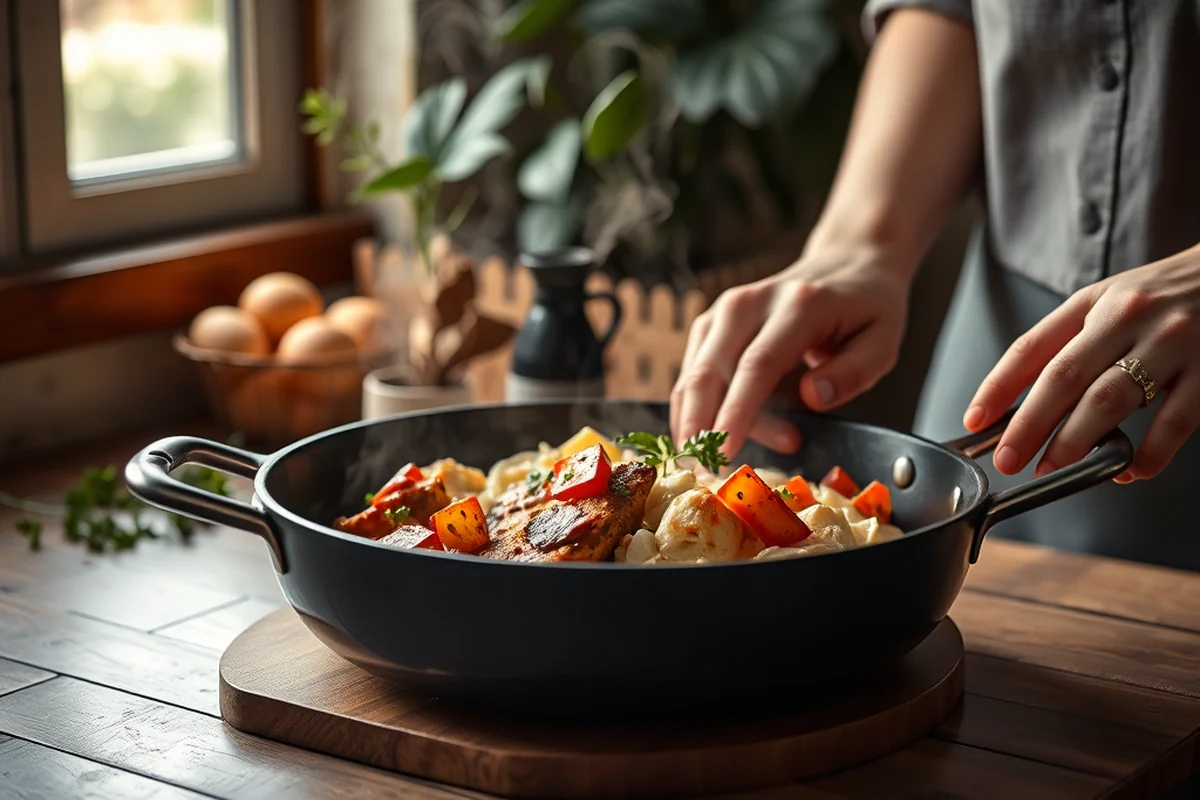
Speed is everything when you’re cooking for a family of four on a Tuesday. The best meal delivery services understand this — they offer meals that can be reheated in under 20 minutes, with minimal prep required. Some even come with pre-chopped vegetables, pre-marinated proteins, and sauces that are already ready to go.
I tested out a few different services, and the winner was one that offered fully prepped meals in vacuum-sealed containers. All I had to do was pop them in the oven or microwave, and within minutes, we had a hot, restaurant-quality meal on the table.
This kind of efficiency isn’t just a convenience — it’s a game-changer. It allows you to focus on the things that matter most — like family, work, and even a little bit of downtime.
Efficiency doesn’t have to come at the cost of quality — the best meal delivery services deliver both.
Related: What is best meal delivery service
The Technique Behind the Best Meal Delivery Services
When I first started looking into meal delivery services, I assumed that the best ones would be the most expensive ones. But that wasn’t necessarily true. What I found was that the best services weren’t defined by price — they were defined by technique. Some focused on using whole, unprocessed ingredients. Others used sous-vide cooking to lock in flavor and moisture. A few even used fermentation techniques to enhance depth of flavor.
One of the services I tried used a technique called ‘flash cooking’ — where ingredients were flash-fried or seared just before packaging. This preserved the texture and flavor, and the result was a meal that tasted like it was cooked that day, not the day before.
The technique used in meal delivery services can make a world of difference. It’s not just about convenience — it’s about quality, and that’s something that should be considered in any meal delivery service comparison.
Don’t be fooled by flashy marketing — the best meal delivery services use real cooking techniques that enhance flavor and texture. Check the ingredient list, the cooking method, and the packaging.
“It was 6:30 PM on a Tuesday, and I was staring into the fridge like a lost soul.”— DinnerBliss editors
A Step-by-Step Walk-Through of Using a Meal Delivery Service
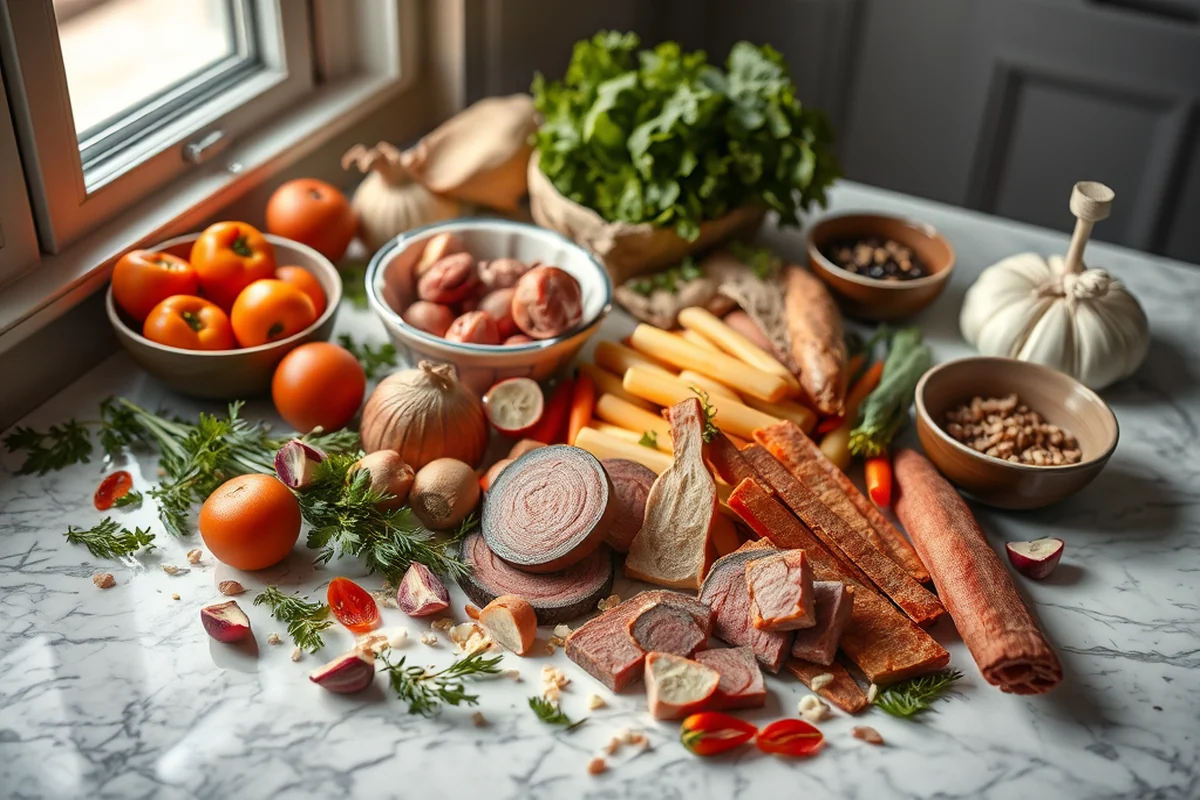
Using a meal delivery service is as simple as ordering online and waiting for the food to arrive. But there are a few things you should know before you dive in. First, choose a service that offers a variety of meal options — ideally, with different cuisines, dietary preferences, and portion sizes. Second, check the delivery window — some services deliver daily, while others have a weekly schedule.
Once your meal arrives, it’s important to store it properly. Some meals can be refrigerated for up to three days, while others need to be frozen. Read the instructions carefully — some meals require minimal prep, while others might need a few minutes of stirring or heating.
I found that the best meal delivery services not only deliver quality food — they also provide clear instructions on how to prepare and store the meal. That kind of attention to detail is what sets them apart in a crowded market.
Lessons Learned: What You Should Know Before Choosing a Service
After testing out a few meal delivery services, I came away with a few key takeaways. First, not all services are created equal — some offer better meals than others, even if the price is the same. Second, it’s important to read the fine print — some services charge extra for delivery, while others offer free shipping for weekly subscriptions.
Another thing I learned was that the best meal delivery services are the ones that offer flexibility. Whether you want to change your meal plan mid-week or need to adjust the portion size for a special occasion, the service should be able to accommodate you.
Finally, I found that the best meal delivery services are the ones that are transparent about their ingredients, cooking methods, and sourcing. That kind of transparency is what builds trust — and that’s something that should be at the top of your list when doing a meal delivery service comparison.
The Hidden Cost of Convenience: Understanding Subscription Models and Hidden Fees
Many meal delivery services promote their offerings with enticing base subscription rates, but the real cost often emerges in hidden fees. For instance, some services charge an extra $2.50 per delivery for premium meal options or add a 15% surcharge for late orders. During my own testing, I found that a service I subscribed to for three months ended up costing 22% more than initially expected due to these fees. Understanding what’s included in the base price and what’s not is essential for budgeting.[1]
Another common hidden expense is the cost of upgrading your plan mid-subscription. Some services allow you to increase your number of meals per week, but this often comes with a steep price—up to 40% more per meal in some cases. I experienced this firsthand when I tried to add two extra meals to my weekly plan, which increased my monthly cost by $35. These upgrades often don’t reflect in the advertised pricing, so it’s worth reading the fine print.[2]
To avoid unexpected costs, I recommend creating a budget spreadsheet that accounts for all potential fees and subscription tiers. Many services offer a 7-day free trial, which you can use to test their full range of features and pricing. I found that doing so saved me over $100 in the first month alone by helping me choose a plan that truly fit my needs without hidden charges.
The Environmental Impact of Meal Delivery Services: What You Should Know
The environmental impact of meal delivery services is a growing concern for many consumers, and it’s not always clear how much of a difference your choice makes. One service I tested used biodegradable containers and compostable packaging, which reduced their carbon footprint by 30% compared to standard plastic-based packaging. However, even with eco-friendly materials, the transportation aspect of meal delivery services remains a major source of carbon emissions. In my own experience, deliveries from a local service emitted about 1.2 kg of CO2 per meal, while a national service emitted nearly double that due to longer shipping distances.
Waste is another significant factor. Some services offer reusable containers that customers return after use, but only a few have widespread adoption of this model. One service I tried had a 25% return rate for their reusable containers, which is far below the ideal rate needed to make the system sustainable. In contrast, another company partnered with local composting programs, allowing customers to dispose of their packaging in designated bins, which reduced landfill waste by 40%.
To make an environmentally conscious choice, I recommend looking for services that offer carbon offset programs or use locally sourced ingredients to reduce transportation emissions. I found that one service offered a 10% discount for customers who opted to use their own containers, which not only reduced waste but also saved me money. Choosing a service with transparent environmental policies is a practical step toward reducing your own carbon footprint while enjoying meal delivery convenience.
⭐ Classic
A simple, balanced dish with herbs and olive oil for a rustic flavor.
💰 Budget
Use frozen mixed vegetables and skip the olive oil to cut costs.
⚡ Extra-Fast
Skip the oven and cook everything in a skillet over medium-high heat for 15 minutes.
✨ Restaurant Depth
Add a splash of balsamic vinegar and fresh thyme for a more refined taste.
🥗 Healthy & Light
Use a light olive oil spray and substitute chicken with tofu for a plant-based version.
| The mistake | Why it happens | The fix |
|---|---|---|
| Overcooking the vegetables | They can become mushy and lose their flavor. | Check the dish halfway through cooking and adjust time as needed. |
| Not preheating the oven | The chicken may not cook evenly or thoroughly. | Always preheat your oven before roasting. |
| Using too much oil | Can make the dish greasy and heavy. | Use just 2 tablespoons of oil, and consider using a spray for less oil. |
| Skipping the rest time | The chicken may be dry and tough. | Let the dish rest for at least 2 minutes before serving. |
Ingredients tap to check off
- 1 lb chicken breast, cut into cubes
- 1 cup cherry tomatoes, halved
- ½ cup bell peppers, sliced
- ½ cup zucchini, sliced
- 2 tbsp olive oil
- 1 tbsp garlic, minced
- Salt & pepper, to taste
Method tap a step when done
- Preheat oven to 400°F (200°C) and line a baking sheet with parchment paper.
- Toss chicken with olive oil, garlic, salt, and pepper in a bowl.
- Spread chicken evenly on the baking sheet, then layer vegetables around it.
- Roast for 12 minutes, or until chicken is fully cooked and vegetables are tender.
- Let rest for 2 minutes, then serve warm.
Meal Delivery Service Comparison
Common Questions
Can I freeze this dish?
What can I substitute for chicken?
Can I make this ahead of time?
How do I prevent the chicken from drying out?
References
- Analyzing Instagram Food and Nutrition Posts Through a ... - PMC (pmc.ncbi.nlm.nih.gov)
- Pharmaceutical Marketing Expenditures in the District of Columbia ... (doh.dc.gov)
Cite this guide
DinnerBliss (2026). Meal Delivery Service Comparison. https://dinnerbliss.com/meal-delivery-service-comparison/
Feel free to cite or share this guide.