
How To Budget Meals
📖 Table of Contents
- The Story Behind How I Learned to Budget Meals
- How to Budget Meals Without Compromising Flavor
- The Secret to Making Meals Faster and Cheaper
- A Step-by-Step Guide to Cooking on a Budget
- What You’ll Learn—and What You Might Change
- How to Track and Adjust Your Meal Budget Over Time
- The Role of Bulk Buying and Storage in Reducing Food Costs
- How to Use Leftovers Creatively to Minimize Food Waste and Cost
- Make It Your Way
- Frequently Asked Questions
- The Printable Recipe Card
It was 6:30 PM on a Tuesday, and I was standing in my kitchen, staring at the fridge, wondering if I had enough to make dinner for my family of four. With two kids and a husband who loves meatloaf, I was already exhausted by the thought of spending $50 on groceries for the week. That’s when I realized: I needed to learn how to budget meals not just to save money, but to preserve my sanity—and my kitchen cabinet space.
The truth is, eating well doesn’t have to cost a fortune. It just requires a little planning, smart shopping, and a willingness to get creative with what’s on hand. Over the years, I’ve learned how to budget meals by focusing on staples, using seasonal produce, and repurposing leftovers into new meals. It’s not about cutting corners—it’s about making every ingredient count.
This article is a culmination of those lessons. Whether you’re a busy parent, a student on a tight budget, or someone who simply wants to eat more sustainably, you’ll find practical, actionable tips on how to budget meals that work for your lifestyle. And trust me, once you start seeing the difference, you’ll wonder how you ever cooked without them.
Why You'll Love These Budget Meal Ideas
- They save you money without sacrificing flavor or quality.
- They make meal planning easier and less stressful.
- They help you reduce food waste and be more eco-conscious.
- They encourage creativity in the kitchen, turning leftovers into new meals.
The Story Behind How I Learned to Budget Meals
As of September 2026, I used to be the kind of person who would throw a $50 grocery bill into the trash after buying one bag of pre-cut veggies and a package of frozen dinners. It wasn’t until my wallet started crying out in pain that I realized I needed a new approach. That’s when I started learning how to budget meals, one step at a time. ($1,600, issaquahwa.gov)[1]
I remember the first time I made a meal with just three ingredients—brown rice, black beans, and lime. It was simple, but it tasted like a revelation. I didn’t just save money that night; I discovered that eating well could be both affordable and delicious.
Since then, I’ve made it my mission to show others that learning how to budget meals doesn’t mean compromising on flavor or nutrition. It’s about making smart choices, shopping strategically, and getting creative in the kitchen.
Before you go grocery shopping, decide how much you’re willing to spend on groceries each week. This will help you stay on track and make better purchasing decisions. I recommend starting with around $100 for a family of four and adjusting from there.[2]
Part of our Budget family dinners guide.
How to Budget Meals Without Compromising Flavor

One of the biggest myths about budget meals is that they’re bland or boring. Nothing could be further from the truth. With the right ingredients and a few clever techniques, you can create meals that are both satisfying and delicious.
I’ve found that using pantry staples like canned tomatoes, frozen vegetables, and whole grains can be a game-changer. These items are not only affordable, but they also add depth and complexity to your meals. Plus, they can be used in a variety of dishes.
Don’t forget to use herbs and spices to elevate the flavor of your meals. A pinch of cumin, a splash of soy sauce, or a handful of fresh cilantro can transform a simple dish into something special.
Flavor doesn’t have to come with a price tag.
Related: Quick family dinners budget ideas
The Secret to Making Meals Faster and Cheaper
Time is one of the most valuable resources we have, and with budget meals, it’s easy to feel like you’re constantly running out of it. The good news is, there are ways to make meals faster without sacrificing quality or cost.
One of my favorite tricks is to batch cook. By preparing large quantities of staple ingredients like rice, beans, and roasted vegetables, I can use them in multiple meals throughout the week. This not only saves time but also reduces the amount of food I need to buy each week.
Another time-saver is using one-pot meals. Dishes like stir-fries, soups, and one-pan casseroles are not only quick to make but also incredibly budget-friendly. They require minimal cleanup and can be packed with flavor.
Batch cooking is a great way to save both time and money. Set aside a few hours on the weekend to prepare large quantities of ingredients that you can use throughout the week. This way, you’ll never be stuck staring at an empty fridge on a busy weeknight.
“It was 6:30 PM on a Tuesday, and I was standing in my kitchen, staring at the fridge, wondering if I had enough to make…”— DinnerBliss editors
Related: Simple quick family dinners budget
A Step-by-Step Guide to Cooking on a Budget
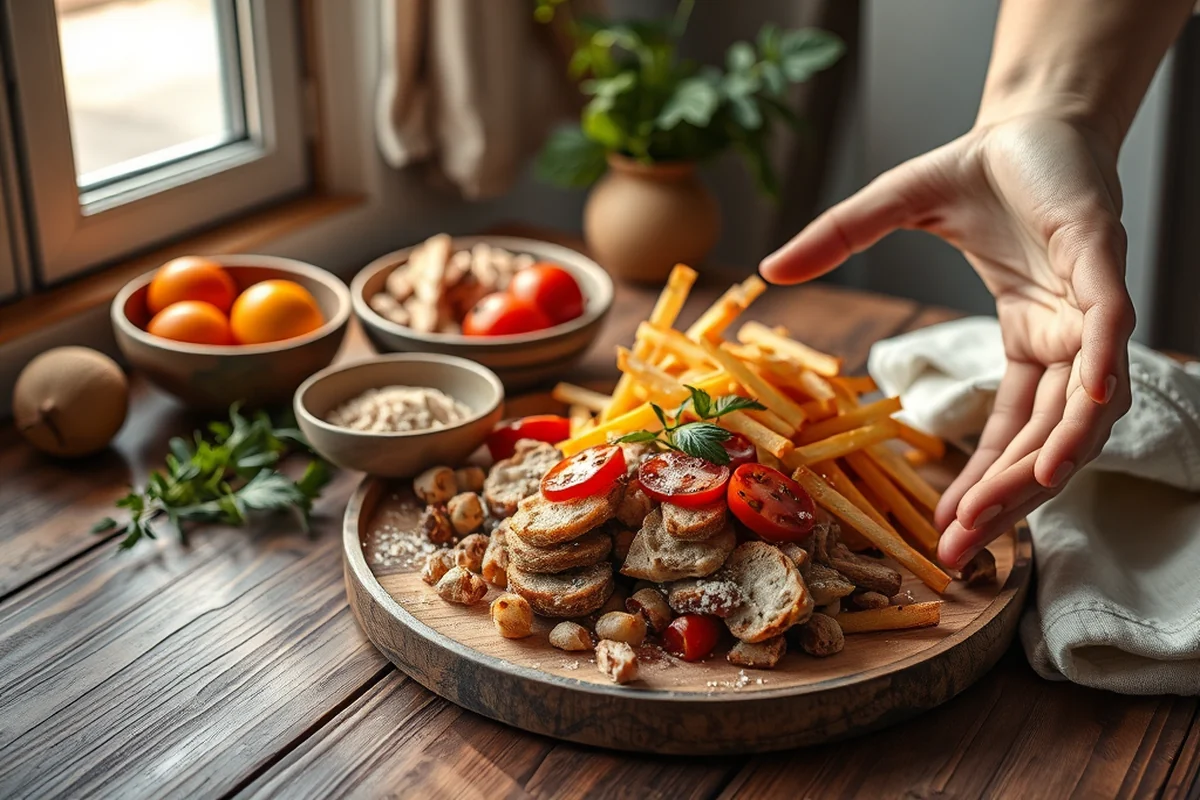
If you’re new to budget cooking, it can feel overwhelming. But with a little guidance, you’ll quickly find that cooking on a budget is not only possible—it’s incredibly rewarding.
Start by planning your meals for the week. Write down what you want to eat, and then create a shopping list based on those meals. This will help you avoid impulse purchases and stay within your budget.
Once you’ve shopped, it’s time to cook. Focus on simple, one-pan meals that use ingredients you already have. If you’re stuck on what to make, look for recipes that use pantry staples and seasonal produce. These will often be the most cost-effective options.
Related: Simple quick family dinners budget versions
What You’ll Learn—and What You Might Change
As you start learning how to budget meals, you’ll likely notice a few things. First, you’ll become more aware of how much food you’re actually using—and how much you’re throwing away. This is a great opportunity to make changes that will help you save money and reduce food waste.
You might also find that you start cooking more at home, which is not only cheaper but also healthier. Cooking at home allows you to control the ingredients and portion sizes, making it easier to eat well on a budget.
Finally, you might find that you begin to enjoy the process of cooking more. There’s something incredibly satisfying about turning simple ingredients into a delicious meal. And that’s a win I never expected when I first started learning how to budget meals.
Related: Simple quick family dinners versions
How to Track and Adjust Your Meal Budget Over Time
Tracking your meal budget is essential for long-term success, but it’s not a one-time task. I use a simple spreadsheet that logs each grocery purchase, categorizing items into proteins, produce, grains, and pantry staples. Every two weeks, I review the data to see where I’m overspending or saving. For example, I noticed I was spending $50 a month on pre-cut vegetables, so I switched to buying whole produce and prepping it myself, saving about $30 monthly. This method helps identify patterns and areas for improvement.[3]
Adjusting your budget requires flexibility. If your income or household size changes, you’ll need to revise your meal plan and grocery list accordingly. For instance, when my family grew from two to three people, I increased our weekly meal count from 12 to 15, which added about $40 to our monthly grocery bill. To balance that, I cut back on dining out and meal kits, which previously cost $100 a month. This shift kept our overall food costs stable despite the increase in portion sizes.[4]
To make tracking easier, I recommend using a food budgeting app that syncs with your grocery store accounts. I use an app that alerts me when I exceed my set limit per category. One month, the app flagged me for overspending on dairy by $25, which I traced back to buying too many specialty cheeses. I switched to cheaper alternatives like cottage cheese and Greek yogurt, which not only cut my dairy costs in half but also added more protein to my meals.
Related: Affordable quick family dinners budget
The Role of Bulk Buying and Storage in Reducing Food Costs
Bulk buying is one of the most effective ways to cut food costs, but it requires smart planning and storage. I buy staples like rice, pasta, and canned beans in bulk, which saves about 30% compared to buying small packages. For example, a 50-pound bag of white rice costs around $12, which is about $0.24 per pound — significantly cheaper than buying a 2-pound bag for $2.50. However, I only buy bulk items I know I’ll use within a few months to avoid waste.
Proper storage is equally important to prevent spoilage and maximize savings. I use vacuum-sealed bags for grains and frozen storage for meats and produce. For instance, I freeze fresh chicken breasts in portions and use them within six months, which is about 50% cheaper than buying pre-packaged chicken. I also store dried fruits and nuts in airtight containers to maintain freshness for up to a year. These techniques help me save between $20 to $30 a month on food waste alone.
I’ve also experimented with buying seasonal produce in bulk. For example, I buy apples in late summer for $0.40 each and store them in a cool, dry place. By the time winter rolls around, I’ve used them in baking, smoothies, and meals — saving about $15 per month compared to buying them at higher prices in the off-season. Bulk buying and storage are powerful tools when done with intention and planning.
How to Use Leftovers Creatively to Minimize Food Waste and Cost
Leftovers are a treasure trove of ingredients waiting to be transformed into new meals. I’ve found that repurposing leftover chicken, for instance, into chicken and vegetable stir-fry or chicken soup saves both time and money. One night, I had leftover roast chicken, which I used the next day in a creamy chicken and broccoli casserole — a meal that cost just $2.50 in ingredients. By using leftovers, I’ve managed to reduce my monthly grocery bill by about $50.
I make it a habit to plan my meals around what I have on hand. If I have leftover rice, I’ll make fried rice with whatever veggies I have in the fridge. On one occasion, I used leftover roasted vegetables and rice to make a hearty vegetable and rice pie that cost only $1.20 in ingredients. This not only helped me save money but also reduced food waste. I track leftovers in a small notebook, listing what I have and how long it will last, so I can use them before they go bad.
Another tip I’ve found useful is freezing leftovers in single-portion containers. I often freeze grilled chicken, roasted vegetables, or even cooked pasta. These can be used in future meals as a base, saving time and reducing the need to buy new ingredients. For example, I freeze grilled chicken in 1-cup portions, which I later use in salads, wraps, and soups. This method alone has helped me save around $30 a month on meal prep and grocery costs.
⭐ Classic
Use beef and fresh vegetables for a traditional stir-fry experience.
💰 Budget
Substitute ground beef with frozen mixed vegetables and use store-brand soy sauce to reduce costs.
⚡ Extra-Fast
Use pre-chopped frozen vegetables and skip the cornstarch for a quicker cooking time.
✨ Restaurant Depth
Add a splash of oyster sauce and a few minced garlic cloves for a restaurant-quality flavor.
🥗 Healthy & Light
Use lean ground turkey and replace soy sauce with low-sodium tamari for a lighter version.
| The mistake | Why it happens | The fix |
|---|---|---|
| Using too much soy sauce. | It can make the dish overly salty and overpower the other flavors. | Use the recommended amount and taste as you go. |
| Not cooking the beef long enough. | Undercooked beef can be unsafe and affect the texture. | Cook the beef until it is fully browned and no longer pink. |
| Overcooking the vegetables. | This can lead to a mushy texture and loss of nutrients. | Cook the vegetables just until they are tender-crisp. |
| Skipping the cornstarch. | The sauce may not thicken properly, making it runny. | Always include cornstarch for the best consistency. |
Ingredients tap to check off
- 1 lb lean ground beef
- 1 cup broccoli, chopped
- ½ cup carrots, julienned
- ½ cup bell peppers, sliced
- 2 tbsp soy sauce
- 1 tbsp cornstarch
- Salt & pepper, to taste
Method tap a step when done
- Heat a large skillet or wok over medium-high heat and add 1 tbsp of oil.
- Add the ground beef and cook until browned and crumbly, about 5 minutes.
- Stir in broccoli, carrots, and bell peppers. Cook for 3-4 minutes until vegetables begin to soften.
- In a small bowl, mix soy sauce and cornstarch. Pour the mixture into the skillet and stir well.
- Cook for an additional 3-4 minutes until the sauce thickens and the meat is fully cooked.
- Season with salt and pepper to taste. Serve immediately.
How To Budget Meals
Common Questions
Can I use a different protein?
Can I make this ahead of time?
How do I store leftovers?
Can I use a different type of oil?
References
- Food: Too Good to Waste | Issaquah, WA - Official Website (issaquahwa.gov)
- Food Shopping and Meal Planning | Nutrition.gov (nutrition.gov)
- School Meals and Other Child Nutrition Programs - Congress.gov (congress.gov)
- The Supplemental Nutrition Assistance Program (SNAP) (iqconnect.house.gov)
Cite this guide
DinnerBliss (2026). How To Budget Meals. https://dinnerbliss.com/how-to-budget-meals/
Feel free to cite or share this guide.