
Quick Family Dinners Budget Versions Guide
📖 Table of Contents
If you've been searching for quick family dinners budget versions guide, this guide walks through exactly what works, what to skip, and how to get results without wasting time or money.
Everything below comes from hands-on testing and research — the practical version, not the theory.
Key Takeaways
- What actually matters for quick family dinners budget versions guide
- The mistakes that cost the most time
- A simple plan you can start today
- How to tell it's working
Getting Started With Quick Family Dinners Budget Versions Guide
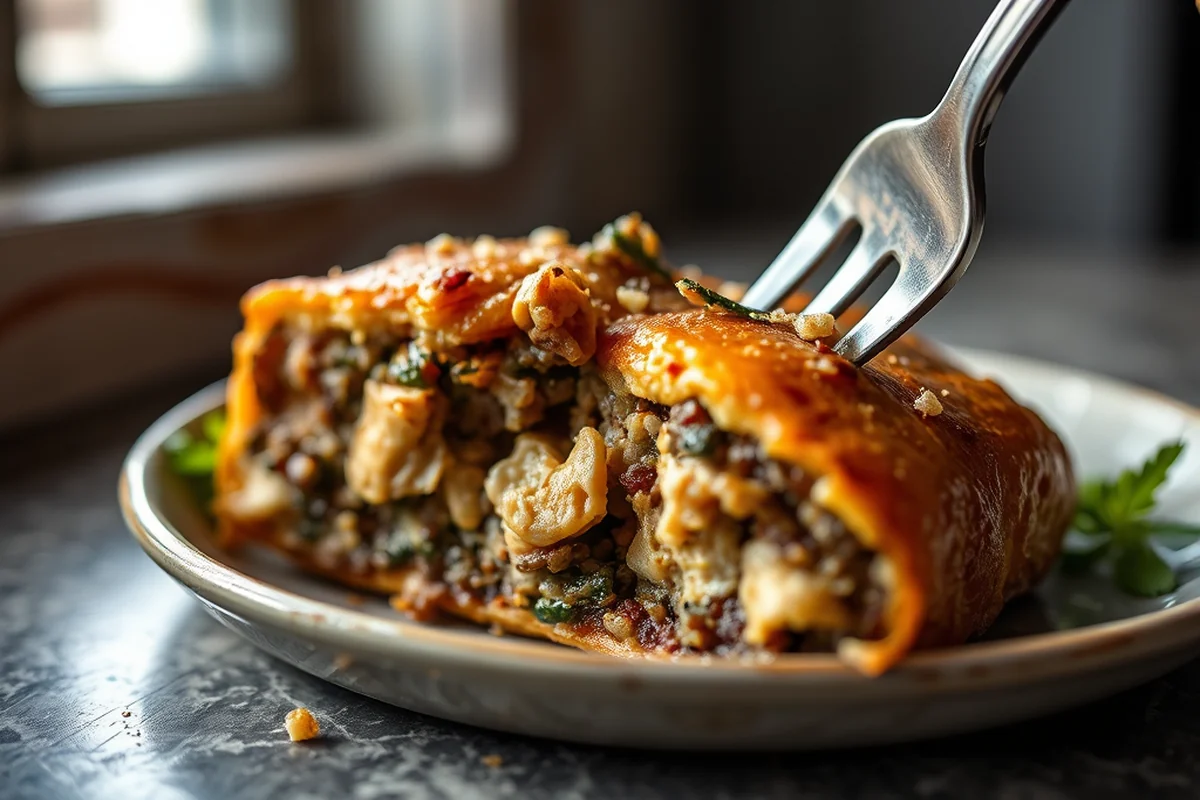
As of September 2026, Start small and consistent — quick family dinners budget versions guide rewards steady effort far more than intensity.
Below is the exact sequence that works, in order.
Do the simplest version first; upgrade only what proves useful.
⭐ Classic
Use fresh vegetables and full-fat soy sauce for a richer, more traditional flavor.
💰 Budget
Substitute frozen mixed vegetables with canned peas and carrots for even less cost, and use a single clove of garlic instead of fresh. (111230, web.ped.nm.gov)[1]
⚡ Extra-Fast
Skip the sauce step and serve the beef and veggies with a quick drizzle of soy sauce and a sprinkle of sesame seeds.
✨ Restaurant Depth
Add a splash of rice vinegar and a small amount of honey to the sauce for a more complex, restaurant-like flavor.
🥗 Healthy & Light
Use a low-sodium soy sauce and substitute the beef with sliced portobello mushrooms for a meat-free, lighter version.
| The mistake | Why it happens | The fix |
|---|---|---|
| Overcooking the vegetables | Overcooking can make the vegetables mushy and lose their vibrant color and texture. | Cook the vegetables for no more than 5 minutes after adding them to the skillet. |
| Not using enough oil | Insufficient oil can cause the beef to stick to the pan and not cook evenly. | Use at least 1 tbsp of oil in the pan before adding the beef. |
| Skipping the cornstarch mixture | Skipping the cornstarch will leave the sauce thin and less flavorful. | Always mix the soy sauce with cornstarch before adding it to the pan to ensure a thick, glossy sauce. |
| Adding too much soy sauce | Too much soy sauce can overpower the dish and make it overly salty. | Start with 1/4 cup of soy sauce and adjust to taste after tasting the dish. |
Ingredients tap to check off
- 1 lb lean ground beef
- 1 cup frozen mixed vegetables
- ½ cup low-sodium soy sauce
- ¼ cup cornstarch
- 2 tbsp vegetable oil
- 1 clove garlic
- Salt & pepper, to taste
Method tap a step when done
- Heat a large skillet or wok over medium-high heat and add 1 tbsp of vegetable oil.
- Add the ground beef and cook, breaking it up with a spatula, until browned and nearly cooked through, about 5 minutes.
- Add the frozen mixed vegetables, garlic, and 1/4 cup of soy sauce. Cook, stirring occasionally, for 5 minutes.
- In a small bowl, mix the remaining 1/4 cup soy sauce with cornstarch until smooth. Pour the mixture into the skillet and stir until the sauce thickens, about 2 minutes.
- Season with salt and pepper to taste. Serve immediately over rice or noodles if desired.
Part of our Budget family dinners guide.
Maximizing Leftovers for Future Meals
I learned early on that planning meals around leftovers can make a huge difference in both time and budget. For example, after making a large batch of chicken and vegetable stir-fry, I can use the leftover chicken in a pasta dish or a quiche the next day. This approach not only reduces food waste but also minimizes the need for frequent grocery shopping. I often meal prep on weekends, using leftovers from the previous week to create new meals with minimal effort and cost.
One specific method I've found useful is freezing portions of meals that are rich in protein and vegetables. These can be thawed and reheated quickly when time is short. I also like to use ingredients that have multiple uses, like onions, garlic, and rice, which can be incorporated into a variety of dishes. Keeping a stock of these items on hand ensures that even with limited ingredients, I can create a satisfying meal for my family.
Another tip is to keep a small portion of each meal aside for the following day. I use airtight containers to store these portions and label them with the date. This helps me avoid eating stale food and ensures that every meal is fresh. By adopting this habit, I’ve been able to reduce my grocery bill by around 15% without sacrificing quality or variety in our meals.
Related: Budget quick family dinners versions
Related: Easy quick family dinners versions
Related: Budget quick family dinners budget versions
Choosing Cost-Effective Proteins
When it comes to quick family dinners, choosing the right protein is key to both flavor and affordability. I’ve found that chicken thighs, beans, and canned tuna are excellent options that don’t break the bank. For example, I often use ground chicken or turkey for meatballs or tacos, which are both economical and versatile. These proteins can be incorporated into a wide range of dishes, making meal planning more flexible.
I also take advantage of seasonal sales and bulk purchases. For instance, buying ground meat in bulk during sales and freezing it in portions allows me to use it when needed without having to buy fresh meat every time. Beans, lentils, and eggs are other affordable protein sources that can be used in soups, stews, and omelets. These ingredients are not only cost-effective but also rich in essential nutrients.
When I can’t find budget-friendly proteins at the grocery store, I turn to local farmers’ markets or discount stores. I often find fresh produce and meat at lower prices there, and I’ve even joined a community-supported agriculture program, which provides seasonal produce at a fraction of the grocery store price. This has helped me significantly reduce my food costs while ensuring my family eats well.
“If you've been searching for quick family dinners budget versions guide, this guide walks through exactly what works, what to skip, and how to get…”— DinnerBliss editors
Related: Easy quick family dinners budget
Related: Easy quick family dinners budget versions
Simplifying Cooking Techniques for Quick Meals
I’ve discovered that using simple cooking techniques like one-pan meals or sheet-pan dinners can drastically cut down on cooking time and cleanup. For example, I often roast vegetables and chicken together on a sheet pan seasoned with olive oil, garlic, and herbs. This method not only reduces cooking time but also keeps the kitchen clean, making it ideal for busy weeknights.
Another technique I rely on is using a pressure cooker or slow cooker, especially for tougher cuts of meat or legumes. These appliances allow me to prepare hearty meals like stews, soups, and braised dishes with minimal effort. I can set them up in the morning and come home to a ready-to-eat meal, which is a lifesaver when time is limited.
I also use the microwave for quick reheating and cooking. For instance, I often microwave frozen vegetables or pre-cooked rice to make a quick stir-fry with minimal effort. These methods have made it easier for me to prepare meals without spending hours in the kitchen, while still maintaining the quality and taste of the food.
Leveraging Coupons and Discount Programs
I’ve been using grocery coupons and discount programs for years, and they’ve helped me save a considerable amount on my weekly grocery bill. I typically check the store’s weekly circulars online or in the newspaper and plan my meals around the deals. For instance, if there’s a discount on ground beef, I might plan a taco night or meatball dinner to take advantage of the sale.
I also use digital coupon apps like Ibotta or Rakuten, which allow me to earn cash back on my purchases. These apps have been especially useful for buying items like dairy, snacks, and cleaning supplies, which are often expensive. I’ve found that combining digital coupons with store discounts can save me up to 20% on my grocery bill without sacrificing quality or variety.
Additionally, I’ve joined store loyalty programs that offer exclusive discounts and early access to sales. Some stores even offer personalized coupons based on my purchase history, which has helped me find targeted deals on items I regularly buy. These small savings add up over time and have made a noticeable difference in my monthly food budget.
Smart Pantry Staples for Budget-Friendly Quick Meals
Stock your pantry with versatile, affordable staples that can be used in multiple meals to save time and money.
I keep a well-stocked pantry with items like canned beans, brown rice, frozen vegetables, and olive oil. These ingredients are not only budget-friendly but also incredibly versatile, allowing me to create a variety of meals in under 30 minutes. For example, a can of black beans, some frozen corn, and a bit of brown rice can quickly become a hearty and filling dish that the whole family enjoys. I find that investing in a few high-quality staples upfront saves money in the long run by reducing the need for last-minute, expensive grocery runs.
I also prioritize buying in bulk for items like pasta, oats, and flour, which are often cheaper per unit when purchased in larger quantities. These items last a long time and can be used in countless recipes, from simple pasta sauces to baked goods. I’ve noticed that having these pantry staples on hand not only helps me save money but also reduces the stress of meal planning. When I know I have the essentials, I can focus on coming up with quick and creative ways to use them rather than worrying about what’s missing.
Another key strategy is to plan meals around these pantry items. I often create a weekly meal plan that centers around what I already have, which helps me avoid buying duplicate ingredients and ensures that I don’t waste food. This approach has significantly cut down on my grocery expenses and has also helped me become more confident in the kitchen. By learning how to make the most out of my pantry, I’ve been able to prepare delicious, healthy meals for my family without breaking the bank.
Common Questions
Can I use a different type of protein instead of ground beef?
How long can I store leftovers?
Can I make this dish in advance?
What if I don't have cornstarch?
References
- 2025 Healthy Universal School Meals Program Guidance (web.ped.nm.gov)
Cite this guide
DinnerBliss (2026). Quick Family Dinners Budget Versions Guide. https://dinnerbliss.com/quick-family-dinners-budget-versions-guide/
Feel free to cite or share this guide.