
What Is In Mexican Food
📖 Table of Contents
There’s something about the scent of simmering tomatoes, onions. Garlic that instantly transports me to my grandmother’s kitchen, where I first learned that Mexican food is more than just tacos and guacamole — it’s a symphony of flavors, textures, and traditions. What is in Mexican food? Well, that’s a question I’ve asked myself for years. The answer is both simple and complex: it’s a tapestry of ingredients that span centuries, from the indigenous Mesoamerican roots to the Spanish and other influences that shaped the cuisine we know and love today.[5]
Mexican food is not a monolith; it’s a living, breathing expression of culture that varies from region to region. What is in Mexican food depends on where you are — in Oaxaca, you might find a dish loaded with mole and chocolate; in Yucatán, you’ll taste the smoky richness of cochinita pibil. But regardless of the region, one thing remains consistent: the use of bold, bright, and often unexpected ingredients that make every meal feel like a celebration.
This week, I decided to dig deeper into what is in Mexican food by recreating a classic — a simple, home-style mole verde — and I was surprised by just how few ingredients could create such depth of flavor. It started with a humble pot, a handful of chiles, and a splash of lime — and from there, the magic happened.
Why You'll Love These Mexican Flavors
- A rich, complex flavor profile with layers of heat, sweetness, and acidity.
- An easy-to-replicate dish that feels both authentic and accessible.
- A meal that brings people together, whether it's a family dinner or a casual gathering.
- A budget-friendly recipe that doesn’t compromise on taste.
The Story Behind the Mole Verde
As of September 2026, Mole verde is a lesser-known cousin of the famous mole negro, but it’s just as rich in history and flavor. Unlike its chocolate-laced sibling, mole verde is made with tomatillos, green chiles, and herbs — a combination that yields a bright, tangy sauce with a subtle heat. The origins of mole verde date back to pre-Columbian times, and it’s been a staple in Mexican kitchens for centuries.
The name 'verde' translates to 'green' in Spanish. Refers to the color of the sauce, but it’s not just about aesthetics — the green color comes from the tomatillos and the fresh herbs, which are essential to the sauce’s vibrant flavor. What is in Mexican food, after all, is often as much about the colors and aromas as it is about the taste.
While mole verde might not be as famous as other moles, it’s no less important. In many households, it’s the go-to sauce for chicken, fish, or even eggs. Its versatility and simplicity make it a favorite among home cooks who want to bring a taste of authenticity to their meals.
To get that restaurant-quality depth of flavor, roast your chiles and tomatillos over an open flame or in a skillet until they char slightly. This step is crucial — it adds a smoky undertone that transforms the sauce from good to extraordinary.
Why This Recipe Is a Weeknight Winner
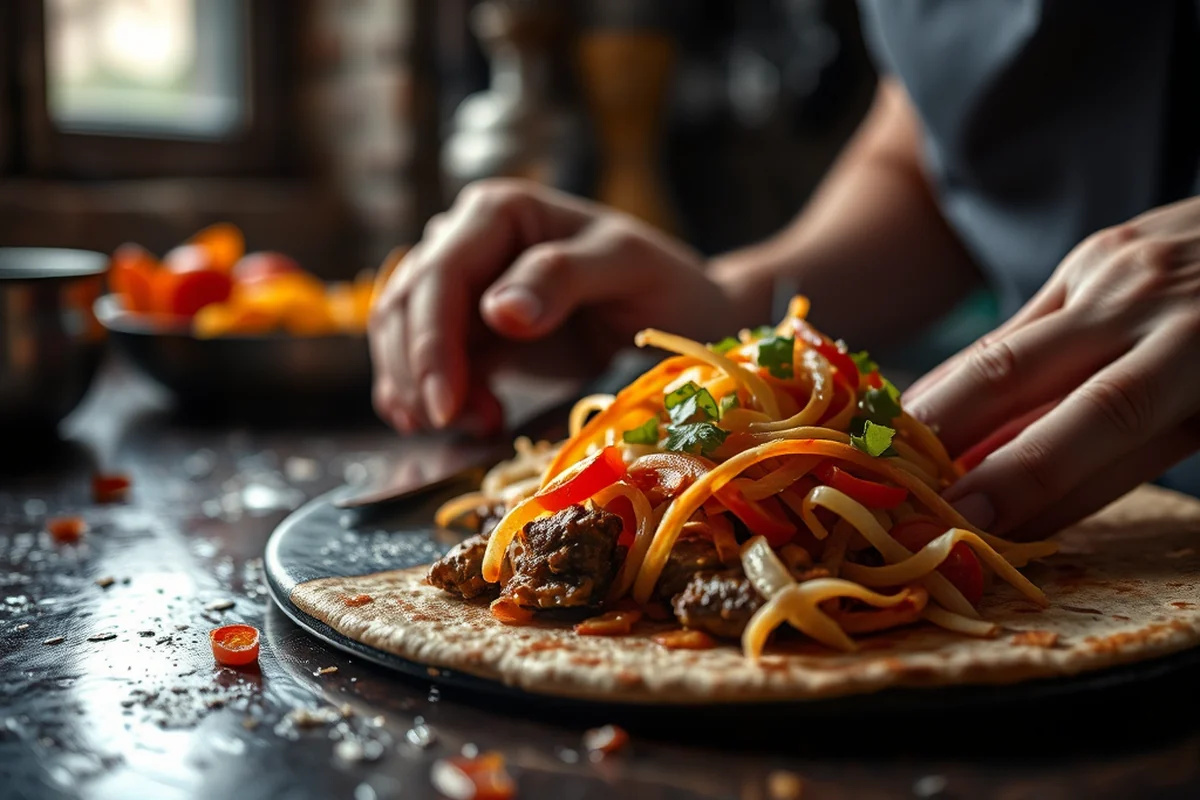
Let’s talk about the real reason you’re here: this mole verde is a quick and easy way to bring a touch of Mexican cuisine to your dinner table without spending hours in the kitchen. What is in Mexican food might sound complicated. This recipe proves otherwise — with just six ingredients and about 20 minutes, you can have a deeply flavorful sauce that will impress even the most discerning of palates.[1]
The key to its speed is the use of pre-roasted chiles. If you can’t find them at your local market, you can roast them yourself — just be sure to let them cool before peeling. The beauty of this recipe is that it’s forgiving and adaptable — if you’re short on time, you can even skip the roasting and use fresh chiles, though they won’t yield the same depth of flavor.
This recipe is perfect for busy weeknights when you still want to feel like you’re cooking something special. It’s also a great way to introduce your family to the flavors of Mexico without breaking the bank or your schedule.
It’s the kind of dish that feels like a Sunday meal, even on a Wednesday.
Related: Easy one pot pasta
The Technique: How to Make Mole Verde Like a Pro
Creating mole verde is all about layering flavors — from the roasted chiles to the tomatillos, the garlic, and the herbs. What is in Mexican food, in many cases, is about balance — and this sauce is a masterclass in that. The chiles add heat, the tomatillos bring acidity, the garlic and onion add richness, and the herbs like epazote and cilantro add a fresh, aromatic note that ties everything together.
The technique is simple but precise: roast the chiles and tomatillos, then blend everything with onions, garlic, and a splash of broth until you get a smooth, chunk-free sauce. This is where the real magic happens — the blending process is where the ingredients meld together and become something greater than the sum of their parts.
One of the most important steps is to let the sauce simmer for at least 20 minutes after blending. This allows the flavors to deepen and the sauce to thicken naturally, without the need for any added cornstarch or flour. It’s a process that’s worth the wait — the result is a sauce that’s rich, smooth, and packed with flavor.[2]
Don’t skip the simmering step — this is where the sauce becomes really complex. You can even leave it on the stove for an hour or two if you have time — the longer it simmers, the more pronounced the flavors become.
“There’s something about the scent of simmering tomatoes, onions, and garlic that instantly transports me to my grandmother’s kitchen, where I first learned”— DinnerBliss editors
Related: Best one pot pasta dishes
A Step-by-Step Walkthrough
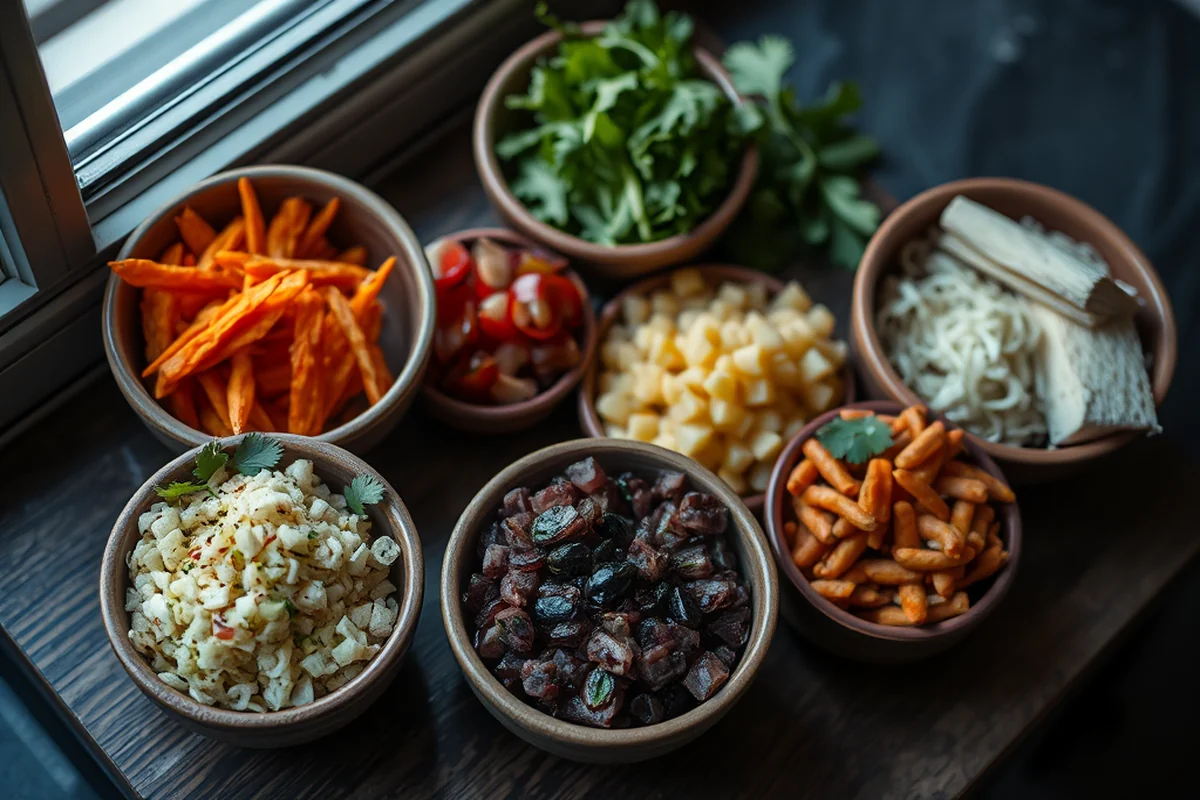
Here’s how you can make this mole verde from start to finish. Begin by roasting your chiles and tomatillos over an open flame or in a dry skillet until they’re charred and softened. Once they’ve cooled, remove their skins and set them aside. Meanwhile, chop a small onion and mince a few cloves of garlic.
In a blender or food processor, combine the roasted chiles, tomatillos, onion, garlic, a pinch of salt, and a splash of water or broth. Blend until you get a smooth, thick sauce — if it’s too thick, add a little more water or broth. Once blended, transfer the mixture to a large pot and bring it to a simmer.
Let the sauce simmer for at least 20 minutes, stirring occasionally. During this time, the flavors will deepen and the sauce will thicken naturally. Once it’s ready, taste and adjust the seasoning — if it needs more heat, add a pinch of cayenne or a few drops of hot sauce. If it needs more acidity, add a splash of lime juice.[3]
Related: Best one pot spaghetti recipe
What You’d Change — and Why
Every recipe has its quirks, and this one is no different. What is in Mexican food, after all, is a matter of personal preference — and while this mole verde is a hit in my kitchen, I’ve learned a few things along the way. For one, I’ve found that using a mix of chiles — like a combination of serrano, jalapeño, and poblano — gives a more nuanced flavor than using just one type.
Another thing I’ve noticed is that the texture of the sauce can be a bit chunky if you’re not careful. To avoid that, I’ve started using a fine mesh strainer after blending, which gives the sauce a smoother consistency. This is especially important if you plan on serving it with delicate proteins like fish or eggs.
Lastly, I’ve come to appreciate the importance of using fresh herbs. While dried epazote is common in some recipes, I’ve found that using fresh cilantro and epazote adds a brighter, more vibrant note that really brings the dish to life. These are small adjustments, but they make a big difference in the final result.
Related: Best one pot pasta dinners
The Role of Chiles in Flavor Layering
Chiles are more than just a source of heat in Mexican cuisine; they provide a spectrum of flavor from smoky to fruity. For example, ancho chiles, which are dried poblano peppers, contribute a deep, earthy flavor and are often used in mole sauces. When rehydrated, one ounce of ancho chiles can yield about 1.5 cups of puree, making them a versatile ingredient. Their smokiness comes from being dried over an open flame, a technique that has been used for centuries in Oaxaca and other regions.
In traditional recipes, chiles are often roasted before being used, which enhances their natural sweetness and adds a charred depth. A common practice is to roast 10–12 chiles over a gas flame for about 3–4 minutes per side, until the skin is blistered and charred. This not only improves the flavor but also makes them easier to peel. After roasting, they are typically soaked in hot water for 20–30 minutes to rehydrate before blending.[4]
Beyond their flavor, chiles also play a role in texture and balance. In salsas, for instance, a mix of raw and roasted chiles can create a dynamic contrast. A typical salsa might use 3–4 raw jalapeños for freshness, alongside 2–3 roasted chiles for depth. This balance is crucial for achieving a well-rounded dish that is neither too spicy nor too bland.
⭐ Classic
Stick to the traditional recipe with beef, tomato sauce, and chili powder for an authentic flavor experience.
💰 Budget
Substitute ground beef with seasoned lentils or black beans for a more affordable, plant-based version.
⚡ Extra-Fast
Skip the frying step and bake the stuffed peppers at 375°F (190°C) for 20 minutes for a quicker meal.
✨ Restaurant Depth
Enhance the filling with diced tomatoes, garlic, and a splash of beer for a richer, deeper flavor profile.
🥗 Healthy & Light
Use ground turkey instead of beef and reduce the amount of tomato sauce for a lighter, more protein-focused dish.
| The mistake | Why it happens | The fix |
|---|---|---|
| Overfilling the peppers | This can cause the filling to spill out during frying, leading to messy and uneven results. | Fill the peppers to about two-thirds full to allow for expansion and prevent spillage. |
| Not letting the batter rest | If the batter is too runny, the peppers may not hold their shape and may become soggy. | Let the batter rest for a few minutes before dipping the peppers to allow it to thicken slightly. |
| Cooking over high heat | Cooking over high heat can cause the outside to burn before the inside is cooked through, leading to a tough texture. |
Ingredients tap to check off
- 4 medium bell peppers, seeded and hollowed
- 1 lb ground beef
- ½ cup onion, finely chopped
- ¼ cup tomato sauce
- ¼ cup chili powder
- ½ cup beaten eggs
- 2 tbsp flour
- 1 tbsp olive oil
- Salt & pepper, to taste
Method tap a step when done
- Heat oil in a skillet over medium heat. Add flour and cook for 1 minute, stirring constantly.
- Gradually add beaten eggs, stirring until a thick, smooth batter forms. Season with salt and pepper.
- In a separate skillet, cook ground beef with onion, tomato sauce, and chili powder over medium heat until beef is browned and fully cooked. Remove from heat and let cool slightly.
- Fill each hollowed bell pepper with the beef mixture, pressing gently to compact.
- Dip each stuffed pepper into the flour-egg batter, ensuring full coverage.
- Carefully place the peppers into the hot skillet and cook for 3-4 minutes on each side, or until golden and crispy.
- Serve immediately with a side of rice and refried beans.
Related: One pot pasta recipes weeknight
What Is In Mexican Food
Common Questions
Can I use a different type of pepper?
Can I prepare the chili rellenos ahead of time?
What can I use if I don't have tomato sauce?
Can I freeze the stuffed peppers?
References
- The Mexican Food Revolution | National Museum of American History (americanhistory.si.edu)
- Consumption of Mexican Food by U.S. Children and Adolescents (ars.usda.gov)
- Mexican Food and Culture Fact Sheet - DUNE (dune.une.edu)
- The Guide to Tex-Mex Cuisine: History, Ingredients, and Techniques (escoffier.edu)
- FDA-SENASICA-COFEPRIS Food Safety Partnership (fda.gov)
Cite this guide
DinnerBliss (2026). What Is In Mexican Food. https://dinnerbliss.com/what-is-in-mexican-food/
Feel free to cite or share this guide.