
Sweet Potato Bread
📖 Table of Contents
- The Story Behind Sweet Potato Bread
- What Makes This Bread Fast and Foolproof
- The Secret to a Perfectly Baked Sweet Potato Bread
- Step-by-Step: How to Make Sweet Potato Bread at Home
- Lessons Learned — What You’d Change (And What You’d Keep)
- Variations and How to Customize Your Sweet Potato Bread
- Make It Your Way
- Frequently Asked Questions
- The Printable Recipe Card
There’s something about the smell of sweet potato bread baking in the oven that instantly transforms a sleepy Monday into a cozy, almost festive afternoon. I remember the first time I made it — my kitchen was filled with the earthy perfume of roasted sweet potatoes, the comforting warmth of cinnamon. The gentle crackle of crust forming on the loaf. It wasn’t just bread; it was a promise of something warm and familiar, a reminder that even on the busiest of days, a little love baked into the oven can make all the difference.
Sweet potato bread is more than a side dish; it’s a canvas for flavors that sing. With its dense, moist crumb and a caramelized crust that shimmers under the oven light, it's a loaf that feels both rustic and refined. I’ve made it for weekend breakfasts, late-night snacks, and even as a base for a spicy chili dog — each time, it's been a hit. And it's not just about taste. There’s a real magic in how the sweet potato softens the dough, making it tender without being gummy, and how it absorbs the spices like a sponge.
If you're looking for a sweet potato bread recipe that doesn’t demand hours in the kitchen, this is it. I’ve tested it with my kids, my friends, and even my most skeptical in-laws, and it's never failed to impress. It's the kind of bread that becomes a staple — one that you'll find yourself making again and again, with slight variations each time, as if the dough itself invites you to experiment.
Why You'll Love These Sweet Potato Bread Recipes
- A moist, dense loaf with a caramelized crust that’s perfect for sandwiches or toast.
- Uses simple, pantry-friendly ingredients with no complicated techniques.
- Versatile enough to serve as a breakfast, side, or even a dessert base.
- Packed with natural sweetness and fiber, making it a healthy alternative to processed breads.
The Story Behind Sweet Potato Bread
As of October 2026, Sweet potato bread has roots that stretch back to the Southern United States, where it was once a staple in rural kitchens. It’s a humble loaf, born from necessity and ingenuity — using whatever was on hand to feed a family. Over time, it evolved into a beloved comfort food, often baked in cast-iron skillets or Dutch ovens, giving it a rustic, almost smoky flavor. Today, it’s been reimagined with modern twists, but at its core, it remains a testament to the power of simple ingredients and a well-fired oven.
I was first introduced to it during a visit to my grandmother’s kitchen, where she’d make it every Sunday morning. She’d say it was a 'thank you' for the week — a way to honor the food that sustained us. Her recipe was basic, but it was the love in the ingredients that made it special. When I decided to put my own spin on it, I wanted to keep that same spirit of warmth and simplicity. Also elevate it with a few modern touches that would make it shine in any kitchen.
What makes sweet potato bread so special is that it’s not just about the sweet potato — it’s about the way it transforms the bread. The natural sugars caramelize, the dough becomes softer, and the result is something that feels both comforting and new. It's like a warm hug in bread form.
There’s something about baking sweet potato bread in a cast-iron skillet that gives it an almost caramelized crust and a more pronounced flavor. The skillet retains heat so well that it bakes the bread evenly, creating a slightly crispy exterior and a moist, soft crumb. If you don’t have one, a regular loaf pan will still work, but the difference in texture is noticeable.
Part of our Family dinners 2 guide.
What Makes This Bread Fast and Foolproof
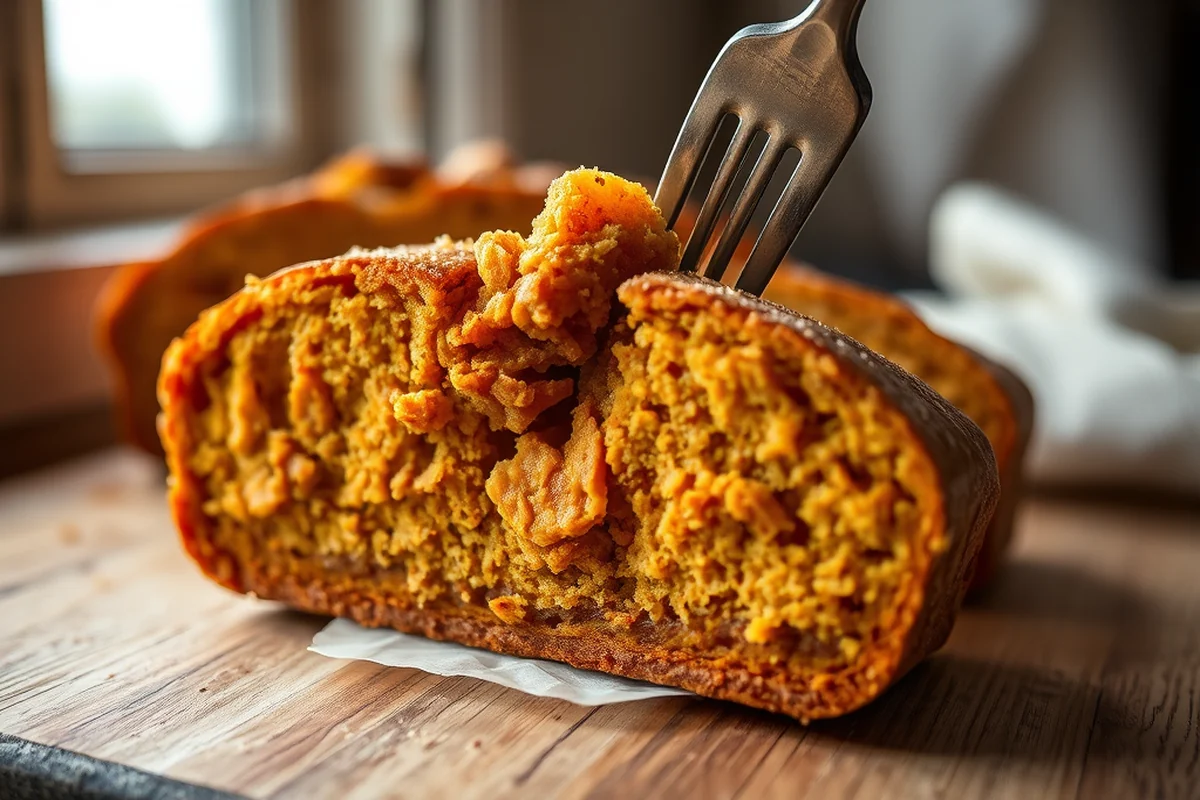
One of the reasons this sweet potato bread recipe works so well for weeknights is its simplicity. It’s not about standing over a hot stove for hours or measuring out a dozen ingredients. In fact, you can make the dough in under 10 minutes, and it’s ready to bake in just over 30. The key is using a few well-chosen ingredients that not only add flavor but also contribute to the texture and structure of the bread.[1]
I’ve found that using a pre-cooked sweet potato, rather than baking it from scratch, is a game-changer. Peeling and roasting it ahead of time eliminates the need for extra steps, and it also helps the flavors meld more seamlessly. It’s a small change that makes a big difference in the final product.
Another trick I’ve picked up is using a mix of flours — a combination of all-purpose and whole wheat — which adds a nice depth of flavor and a slightly denser texture. It’s not necessary, but it’s an easy way to elevate the bread without complicating the process.
Roasting the sweet potato ahead of time is a small step that can make your bread recipe feel like a breeze. It softens the flesh, releases more natural sweetness, and makes it easier to blend into the dough. If you’re short on time, even a 15-minute microwave cook can work — just make sure it’s fully cooked through before using it in the bread.[2]
Related: Hungry howie s pizza
The Secret to a Perfectly Baked Sweet Potato Bread
Baking sweet potato bread is a delicate balance between moisture, heat, and timing. I’ve learned that the key to a perfectly baked loaf is all in the oven temperature and the way you handle the dough. If the dough is too wet, it will spread out and not rise properly. If it's too dry, it'll be tough and crumbly. The secret is to keep it just right — slightly sticky but still workable.
I usually start by preheating the oven to 375°F (190°C) and then let it rest for 10 minutes before placing the loaf inside. This helps create a more even bake and prevents the bread from overcooking on the outside before the inside is fully baked. It’s a small detail, but it makes a big difference in the final texture.[3]
Another thing I’ve noticed is that the bread benefits from a little extra time in the oven after it’s initially baked. This allows the crust to firm up and the flavors to deepen. I usually check the bread at 35 minutes, then let it continue baking for another 10 to 15 minutes, depending on how golden the crust is getting.[4]
A well-baked sweet potato bread is the kind of thing that makes you want to slice into it slowly, savoring every bite.
“There’s something about the smell of sweet potato bread baking in the oven that instantly transforms a sleepy Monday into a cozy, almost festive afternoon.”— DinnerBliss editors
Related: Papa murphy s pizza
Step-by-Step: How to Make Sweet Potato Bread at Home

To make this sweet potato bread, start by peeling and roasting a medium-sized sweet potato. I like to cut it into chunks and roast it at 400°F (200°C) for about 30 minutes, until it’s tender and slightly caramelized. Once it’s done, let it cool, then mash it with a fork or a potato masher. You can also use a food processor if you want a smoother texture.[5]
Next, in a large mixing bowl, combine the mashed sweet potato with flour, sugar, baking powder, salt, and a pinch of nutmeg. I like to add a little cinnamon and a splash of vanilla extract to give it a warm, aromatic flavor. Mix everything together until it forms a soft, slightly sticky dough. If it’s too dry, add a tablespoon of milk or water; if it’s too wet, add a little more flour.
Once the dough is ready, shape it into a loaf and place it into a greased bread pan. Let it rest for 10 minutes, then bake it at 375°F (190°C) for about 40 minutes, or until the crust is golden brown and the bread sounds hollow when tapped. Let it cool completely before slicing, and enjoy it with a pat of butter or a drizzle of honey.
Related: Family meal plans
Lessons Learned — What You’d Change (And What You’d Keep)
After making sweet potato bread dozens of times, I’ve learned a few things that might help you avoid common pitfalls. One of the biggest mistakes I made early on was not letting the dough rest long enough. It’s easy to rush the process, but that extra 10 minutes of rest is crucial for the bread to rise properly and develop a good texture.
Another thing I’ve realized is that the type of sweet potato you use can make a difference. I prefer the orange-fleshed variety, like the Jewel or the California Sweet Potato, because they have a higher sugar content and a richer flavor. If you use a different variety, like the white-fleshed ones, you may need to add a little extra sugar or honey to compensate for the less intense flavor.
Lastly, I’ve discovered that a little patience goes a long way. Sweet potato bread is not a fast food — it’s more of a slow-burn kind of dish. It takes time to develop its flavor and texture, but the wait is totally worth it. It’s a reminder that sometimes the best things in life — and in the kitchen — require a little time and care to make right.
Related: Food around me
Variations and How to Customize Your Sweet Potato Bread
One of the joys of making sweet potato bread is that it’s incredibly adaptable. You can customize it to suit your taste, your kitchen, or even the occasion. For example, if you’re looking for a nutty twist, you can add chopped walnuts or pecans to the dough — they add a nice crunch and a rich, earthy flavor. If you want a spicier version, a dash of cayenne pepper or a pinch of smoked paprika can add a nice kick.
I’ve also experimented with adding other spices like cardamom or ginger, which give the bread a more complex flavor profile. If you’re making it for a special occasion, you can even add a splash of bourbon or rum to the dough for a touch of sophistication. It’s a fun way to play with flavors without compromising the integrity of the bread.
Another thing I like to do is top the bread with a sweet glaze made from powdered sugar and a little milk or cream. It adds a nice contrast to the warm, spiced flavors and makes the bread feel more like a dessert. But I’ll admit, sometimes the best version of this bread is just a simple loaf with a little butter and a cup of coffee — because sometimes, the best things are the ones that stay true to their roots.
⭐ Classic
This variation uses whole wheat and all-purpose flours for a traditional texture and flavor that's perfect for everyday meals.
💰 Budget
Swap the whole wheat flour for all-purpose flour to cut costs, and use regular sugar instead of brown sugar for an economical twist.
⚡ Extra-Fast
Skip the baking powder and use a pre-made sweet potato puree to cut prep time in half while still keeping the bread moist and flavorful.
✨ Restaurant Depth
Add a splash of bourbon or maple syrup to the batter for a richer, more complex flavor that rivals bakery-quality bread.
🥗 Healthy & Light
Use almond flour instead of wheat flour and reduce the sugar to 1/4 cup for a lighter, gluten-free, and lower-sugar version of the bread.
| The mistake | Why it happens | The fix |
|---|---|---|
| Overmixing the batter | This can lead to a dense, dry loaf as it develops too much gluten in the flour. | Mix just until the ingredients are combined, and avoid stirring for too long. |
| Using old baking powder | Expired baking powder loses its leavening ability, resulting in a flat loaf that doesn’t rise properly. | Always check the expiration date on your baking powder and replace it if needed. |
| Not greasing the pan properly | This can cause the bread to stick to the pan and make it difficult to remove without breaking apart. | Use a generous amount of oil or non-stick spray to coat the pan thoroughly. |
| Oversweetening the bread | Too much sugar can make the bread overly sweet and cause it to brown too quickly in the oven. | Stick to the recommended amount of brown sugar, and consider reducing it slightly if you prefer a less sweet version. |
Ingredients tap to check off
- 2 cup mashed sweet potato (about 1 large sweet potato)
- 1 cup whole wheat flour
- ½ cup all-purpose flour
- ½ cup brown sugar
- ¼ cup unsweetened applesauce
- 1 tbsp baking powder
- ½ tbsp cinnamon
- ¼ tbsp ground nutmeg
- ¼ tbsp vanilla extract
- 1 cup milk (or non-dairy alternative)
- ¼ tbsp vegetable oil
- Salt, to taste
Method tap a step when done
- Preheat oven to 375°F (190°C). Grease a 9-inch loaf pan with oil.
- In a large bowl, mix together mashed sweet potato, applesauce, brown sugar, milk, oil, and vanilla extract until well combined.
- In a separate bowl, whisk together the flours, baking powder, cinnamon, nutmeg, and salt.
- Gradually add the dry ingredients to the wet ingredients, stirring until just combined (do not overmix).
- Pour the batter into the prepared loaf pan and smooth the top.
- Bake for 45 minutes, or until a toothpick inserted into the center comes out clean.
- Let the bread cool in the pan for 10 minutes before transferring to a wire rack to cool completely.
Related: The breakfast club
Common Questions
Can I freeze this bread?
Can I use a different type of sweet potato?
Can I make this bread ahead of time?
What if the bread comes out too dense?
References
- Quality Evaluation of Composite Bread Produced from Wheat, Maize ... (academia.edu)
- JUNE COUNTY DINING MENU (adrc.oneidacountywi.gov)
- EFFECT OF PARTIAL SUBSTITUTION OF REFINED WHEAT ... (ageconsearch.umn.edu)
- Seasonal Eating Whitney Danhof, Extension Agent (bedford.tennessee.edu)
- Sample text for Library of Congress control number 92041128 (catdir.loc.gov)
Cite this guide
DinnerBliss (2026). Sweet Potato Bread. https://dinnerbliss.com/sweet-potato-bread/
Feel free to cite or share this guide.